

Today is Monday, October 27th, 2025
Weather-wise, today may be the nicest day of the week, which isn’t saying much: The forecast calls for a mix of sun and clouds, with a high of 55 degrees. Tomorrow through Friday morning, expect clouds, with the possibility of rain or drizzle and highs in the 50s.
On this day in history, there were two events of particular significance to UWSers: In 1884, the Dakota Apartments, designed by architect Henry Hardenbergh, opened after four years of construction; it was one of the first large developments in the neighborhood (and is now the oldest).
And 20 years later, on October 27th, 1904, the city’s first subway train rolled out of the City Hall station at 2:35 p.m., with Mayor George B. McClellan handling the motorman’s control stick (which was made of solid silver in honor of the occasion) most of the way to West 145th Street and Broadway. The inaugural run, much of it on a stretch of tracks now used by the No. 1 train, took 26 minutes that day — it ran express — and the fare was a nickel, which in today’s dollars would be about $1.82.
Notices
Our calendar has lots of local events. Click on the link or the lady in the upper right-hand corner to check.
Community Board 7’s Housing & Land Use Committee is seeking community input on the Extell development planned for the former ABC campus on Columbus Avenue between West 66th and 67th streets. Fill out a survey — HERE.
Early voting started this weekend and runs through Sunday, Nov. 2. Find your early-voting site and voting hours — HERE. Though the mayoral race has grabbed the lion’s share of attention, voters are asked to weigh in on six ballot measures, three of them about affordable housing. For an explainer of the six proposals on the ballot, check out The City’s recent story — HERE.
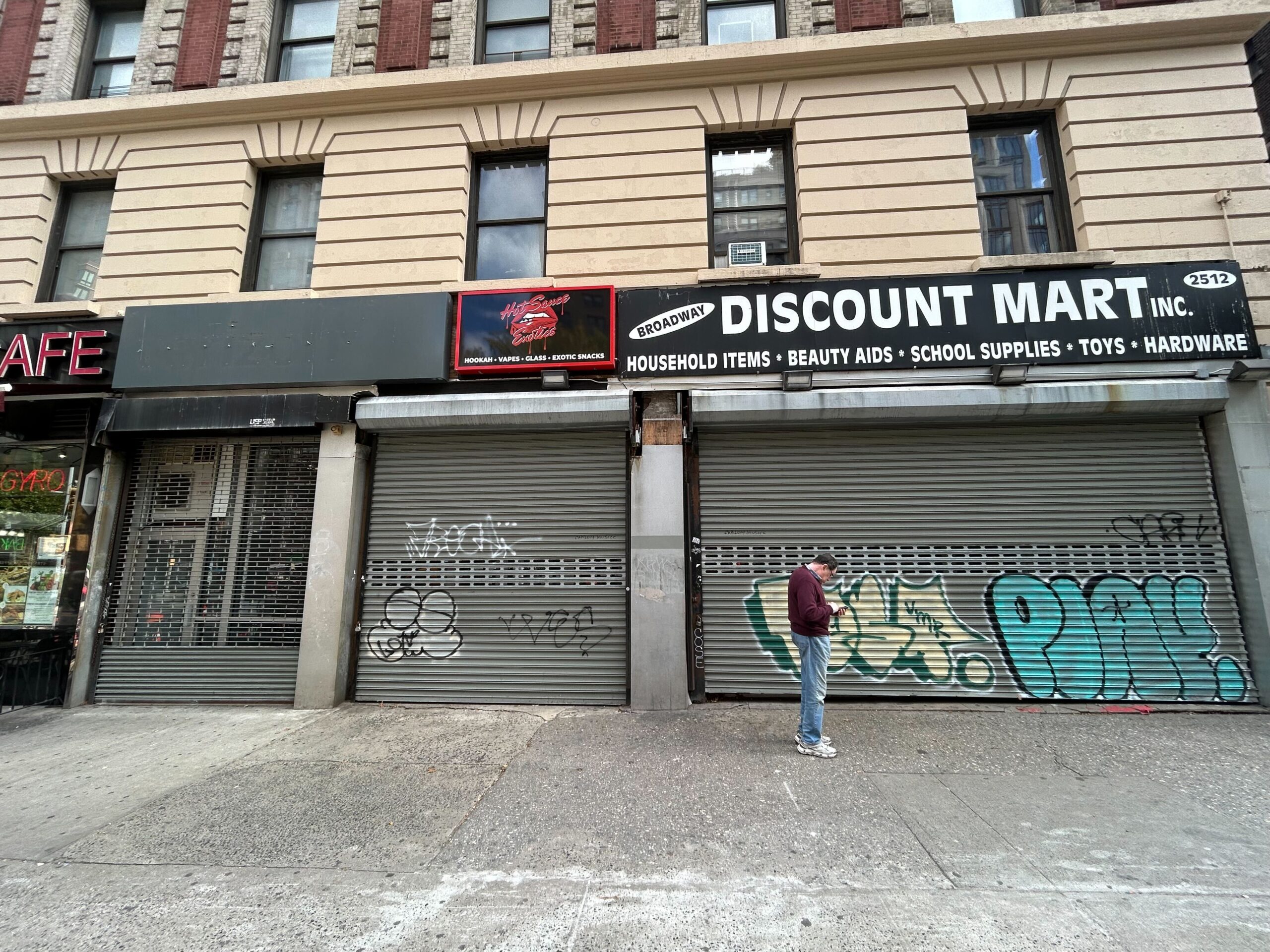
On Wednesday, from 6:30 to 9:30 p.m., CB7’s Preservation Committee will continue its hearing into West-Park Presbyterian Church’s application to revoke the landmark status of its building at 165 West 86th Street so it can be demolished to make way for luxury condominiums. The public is invited to comment, with statements limited to two minutes per person. Attend in person at the Brandeis High School Campus, 145 West 84th Street between Amsterdam and Columbus avenues, or register to receive a link to the livestream — HERE.
Wondering where to see the best autumn colors in Central Park? You’ll find the Central Park Conservancy’s fall foliage tracker, which is updated daily by park arborists — HERE.
News Roundup
Compiled by Laura Muha
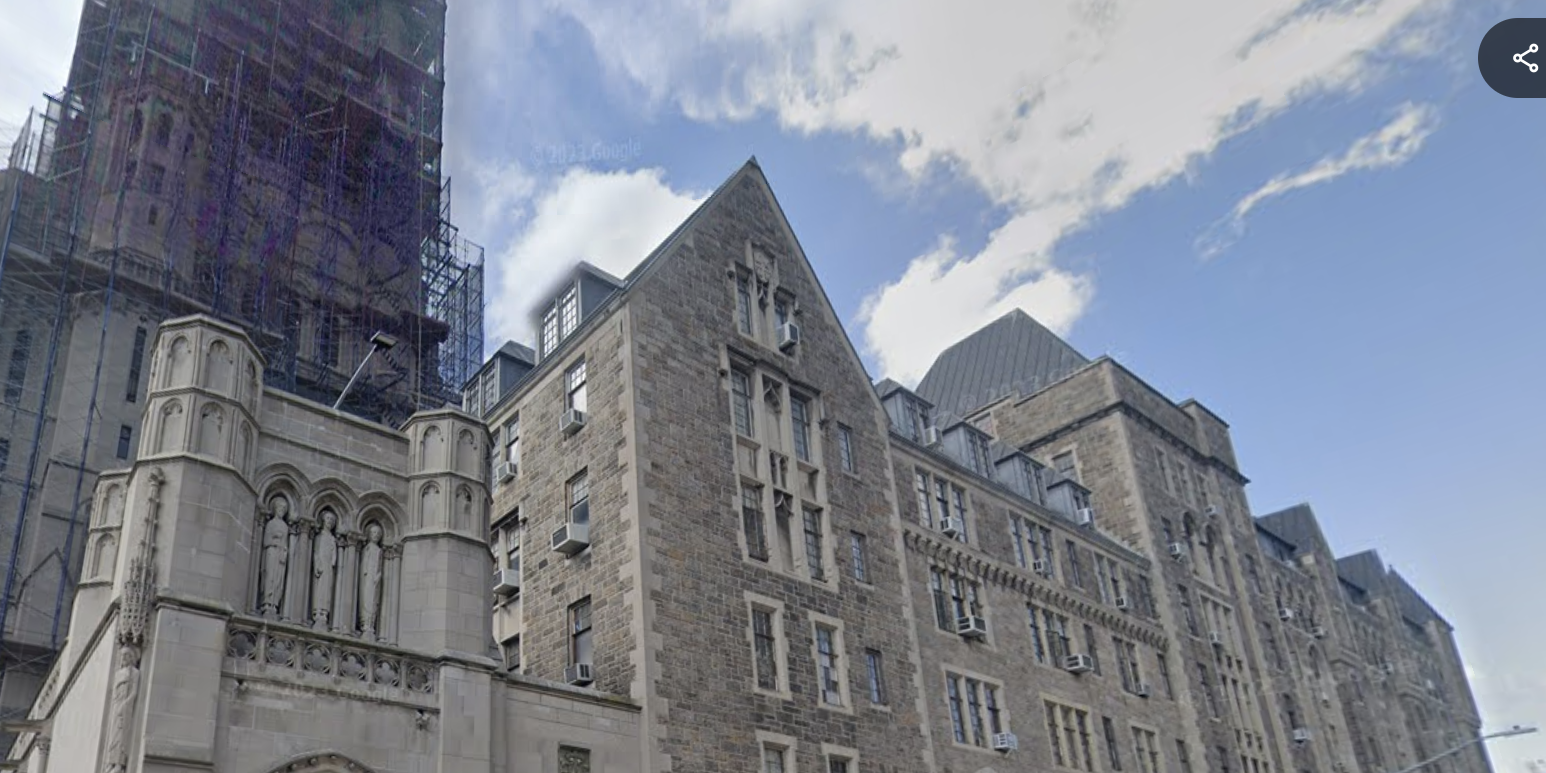
It’s been more than two decades since the first member of Riverside Church’s acclaimed Hawks youth basketball team went public with allegations he had been sexually abused by the team’s coach, Ernie Lorch, prompting many other players to come forward as well. But the story is only now coming fully into focus, thanks to more than two dozen civil lawsuits filed by former players against the church under the Child Victim’s Act of 2019. The law extended the statute of limitations for child victims of sexual abuse, allowing them to seek criminal prosecutions against their abusers up to age 28, and to file civil cases until age 55.
With the first of the cases scheduled to come to trial in early January, Luke Cyphers, a senior editor at Sportico, and Michael McCann, a professor at the University of New Hampshire Law School, who also writes regularly for Sportico, set out to get a fuller picture of what happened behind the scenes as Lorch built a renowned youth basketball program that sent several dozen players to the NBA. For the resulting story, published last week by Rolling Stone in conjunction with Sportico, the two reviewed more than 7,000 pages of court filings and depositions in the Riverside cases, and interviewed more than a dozen former coaches and players who competed for or against Riverside over a period of 40 years.
What emerged was a devastating picture of what the writers describe as “a confluence of money, exploitation, and vaunted institutions, [that] are youth basketball’s version of the Jeffrey Epstein files,” with the team opening doors to college and professional careers for the players, while also destroying many of them emotionally.
Lorch died in 2012, but the players are collectively seeking millions of dollars in reparations from Riverside, alleging that church officials knew about Lorch’s abuse, but did nothing to stop it. “Given how open and obvious this conduct was, as well as the length of time it persisted, it is difficult to fathom how anyone from the upper Church could have missed it had they looked,” attorney Michael Angelini wrote in a plaintiffs’ brief. “But they never did.”
Riverside’s attorney, Phil Semprevivo, told Rolling Stone that Riverside “denies the allegations made by the Plaintiffs against the Church and is prepared to continue to defend itself in the pending litigations.”
Read the full story — HERE, and read an interview with McCann discussing the story — HERE.
Apartment-hunters aren’t the only ones feeling the pain of the city’s sky-high rents, according to The Times of Israel. The publication recently explored the struggles of small synagogues to find affordable spaces in which to meet, with two UWS congregations among those highlighted: Kehilat Rayim Ahuvim and the independent minyan Darkhei Noam.
Unlike large, established congregations, which typically own the buildings in which they meet, smaller groups are at the mercy of the rental market. And their options are further constrained by the fact that they only need the space a couple of days a week, and their budgets tend to reflect that.
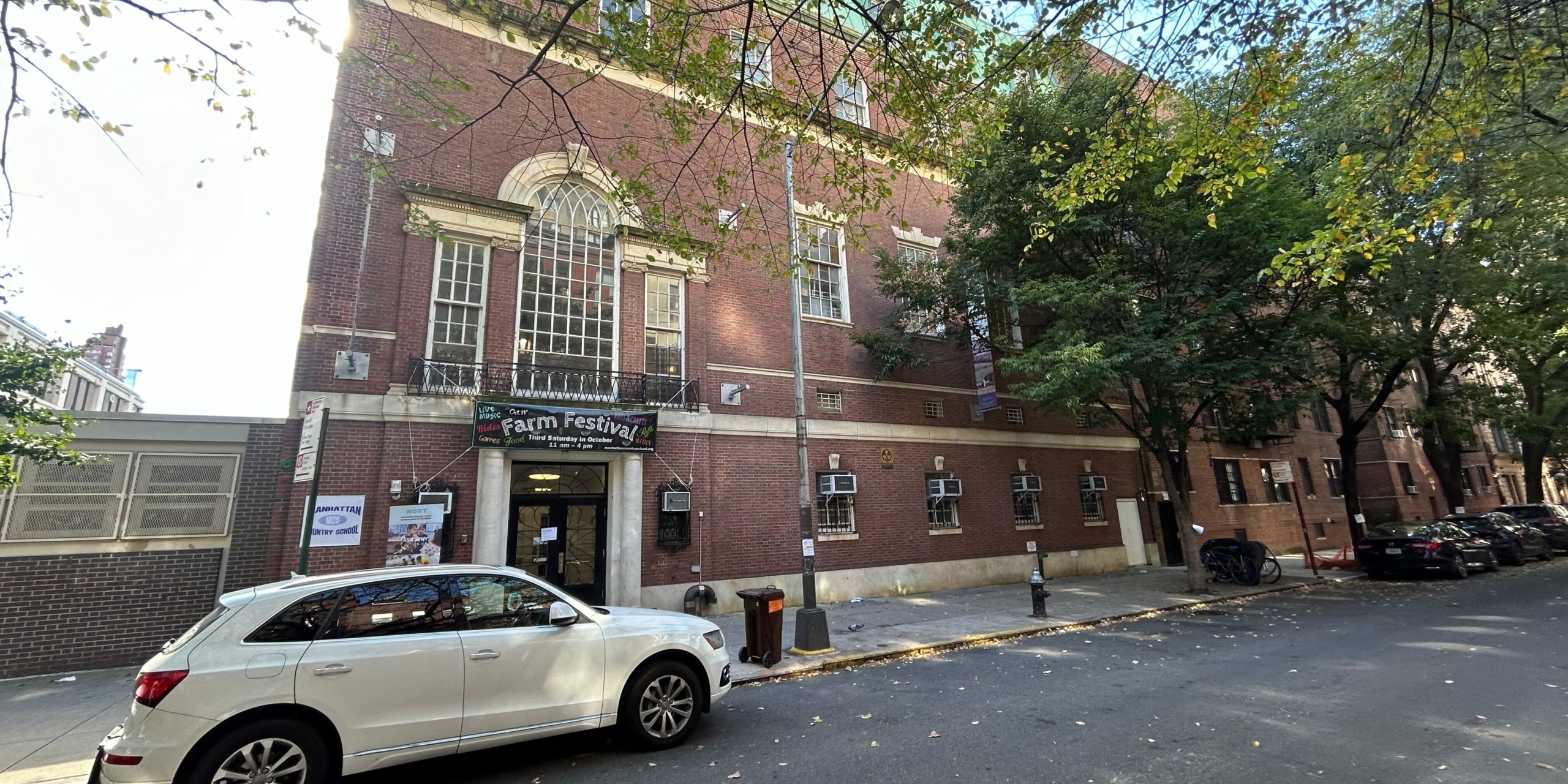
“We need a space for all the Jewish occasions and events, but it would be impossible to buy and difficult to rent unless we have a partner who would make use of it at other times during the week, like an educational institution,” Paul Wachtel, former chair of Darkhei Noam’s board, told The Times of Israel. In 2017, the group thought it was set: It had just signed a lease with the Manhattan Country School that was supposed to extend through 2034. But when the school went bankrupt last summer, Darkhei Noam unexpectedly found itself on the hunt again. Not long after Wachtel’s interview with the publication, the congregation did obtain a one-year lease on new space — but congregants will have to travel to get there, because it’s in the Trevor Day School on East 95th Street.
Rabbi Adam Mintz, of Kehilat Rayim Ahuvim, has been through the space hunt twice. The first time the congregation needed a home, two decades ago, they searched for months before one of the congregants had the idea of checking out the National Council of Jewish Women’s building on West 72nd Street. It wound up being a win-win for both groups: The congregation had a place to meet that met both its needs and its budget, and the women’s center gained a new income stream while helping a Jewish group, a partnership which Mintz said “strengthened the Jewish community.”
When the building’s air conditioning broke last year, the congregation moved temporarily into the JCC, but the move was such a good fit, that they wound up moving in permanently last month and have since been rebranded as Shtiebel @ JCC.
Read the full story — HERE.
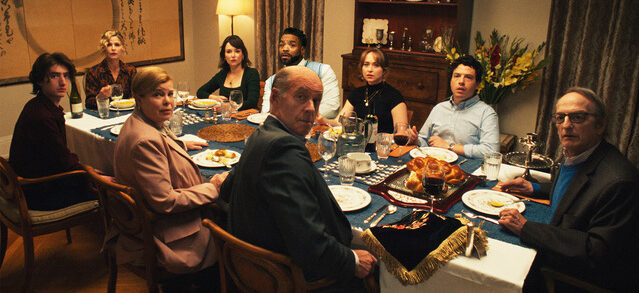
Tracy Zwick, who writes the Rag’s UWS Weekend column, has been recommending the indie comedy Bad Shabbos for months, and she’s not the only one who loves it. The film grossed $1.5 million before streaming, making it one of the most successful indie movies in recent memory, and Unpacked.media.com recently explored the strategies used by filmmakers — including co-writer and UWSer Zack Weiner — to help achieve that.
In the film, Kyra Sedgwick and David Paymer play the highly strung parents of an UWS Jewish family that has invited the Midwestern parents of their son’s non-Jewish fiance for Shabbat dinner. But before they arrive, a prank by the groom-to-be’s younger brother goes awry, and, well, let’s just say things spiral out of control from there.
When the film premiered at the Tribeca Film Festival last year, it won the “audience favorite” award, and was picked up by a distributor specializing in Israeli and Jewish films. “Typically, the next step for a small, offbeat film like this would have been a one-week run in New York or Los Angeles, followed quickly by a quiet streaming release destined to vanish into the abyss,” wrote Peter Fox in the Unpacked article. “Instead, “Bad Shabbos” pulled off a minor miracle.”
By rolling the movie out slowly and “play[ing] it for a long time, almost like a Broadway show,” as Weiner’s co-writer and friend Daniel Robbins described it, the film was able to build buzz, theater by theater. Weiner and Robbins (who lives on the UES) also toured the country doing Q&As — sometimes as many as five per day. “The benefit of the Q&A is, one, it generally makes people like the movie more, because you’re there to talk about it and give it a little more context,” Robbins told Unpacked. “And then two, it also helps turn people into advocates.”
Read the full story — HERE.
ICYMI
Here are a few stories we think are worth a look if you missed them last week — or a second look if you saw them. (Note that our comments stay open for six days after publication, so you may not be able to comment on all of them.)
Judge Rules in Favor of Owners of Attacked UWS Dogs in Joe Columbus Case
Subscribe to West Side Rag’s FREE email newsletter here. And you can Support the Rag here.





“Dakota Apartments … one of the first large developments in the neighborhood” … a testament to the idea that new buildings – which at first might have been thought of as ‘out-of-context/out-of-scale” with the neighborhood eventually become a part of its fabric. In its day it loomed obtrusively over the park and likely created an undesired increase of people and traffic. Now it is a beloved fixture. It’s jarring and upsetting when neighborhoods we love just the way they are grow and change but that’s the nature of a city.
Well said. I’m planning to vote yes on all proposals except 4 (the appeals board feels like too much of a shift in power to the mayor and borough presidents), as it is high time we stop balking on land-use proposals on the UWS to keep the status quo.
Why did they call it the Dakota? It is my understanding that because the new structure was soooooo far away from the then center of town in NYC it was like going the Dakotas; i.e. the middle of the country.
I very much doubt that we will look back on much of the new construction of the last 2O years with the same fondness we look back on the Dakota with. Something tells me you don’t have an entirely neutral position when it comes to real estate investments on the Upper West Side.
Hate to disappoint you Mark but I am just an Upper West Sider who over the last five decades has seen many changes to our neighborhood and learned to embrace them. No real estate axe to grind. Perhaps the “something” that is telling you things is not as neutral as you might believe.
That’s right! Hope everyone votes ‘Yes’ on the ballot proposals 2-5 to help streamline review and cut red tape for new home construction
No, No, No!
YES, YES, YES
What is there to love about red tape? These proposals help make it easier for the smaller developments that everyone claims to want speed through review while larger towers go through the existing process.
Found the NIMBY
Your article on Bad Shabbos is great, but I’m surprised Mr. Fox left out the Upper West Side indie theatre, New Plaza Cinema, that’s been showing Bad Shabbos to big crowds for months now! Buy it local lol!
I wish I knew earlier!! Looks like no showtimes for it now 🙁
Agree…not sure why it was not mentioned…the UWS’s best-kept secret..New Plaza Cinema on West 67th Street has been showing Bad Shabbos for months to sold-out crowds, most times with in-person Q & As with Zak Weiner . It’s an absolutely wonderful small cinema with personable, welcoming staff that enhances the experience even more. Special congrats to Zak for his creativity, hard work, and perseverance!
Best part of “Bad Shabbos” is a cameo by UWS’s own Gary Greengrass!!!! A great film that he makes better!!!
exactly!!
Ah, the old joke about the shipwrecked Jew who’s discovered after 15 years, and the rescuers wonder why, one man, two synagogues? And the answer, “Oh, I’d never go to that temple!’
Small congregations have all right to coalesce, but if they’re too small to afford worship space, how is that anyone’s issue in a community where anyone under six figures can’t afford a place with a kitchen and bathroom?
Eh, I think it’s an issue. Religious congregations, in general, are a net positive for the community. I live next to a synagogue and I like seeing the community gather frequently, they take care of their space and their block, and they make me feel safer.
In a completely secular way. I think it’s an issue if groups can’t afford places to gather in their neighborhood. Community is so important and valuable.
I’m an atheist, an escapee from a fundamentalist extended family, and a goy, but there is a good deal to be said for the ability of religious congregations to stabilize the social fabric and help look after, e.g., those vulnerable renters.
Bad Shabbos is a must view for any of this website’s readers, highly recommended!
“Mayor George B. McClellan handling the motorman’s control stick” … no word on how Mrs. McClellan felt about the event. 😉
UWS etiquette requires us to treat the celebs among us as neighbors and not to photograph them when they’re seen out in the wild.
Richard Kind is a treasure and he’s everywhere in the neighborhood, please let him be!
The first subway line in 1904 ran up the east side to 42 Street, then turned west on the tracks that are now the suttle, then turned north up the west side on what are now the #1, 2, 3 tracks.
Could the synagogues talk to the church on W95th and Central Park west that housed the school that’s shuttering? Churches generally don’t have services on Friday nights, so could be a possibility.