

By Scott Etkin
An estimated 25 million birds are traveling north through New York City this spring, making this an ideal time for birdwatching on the Upper West Side.
Because the city is such a dense urban environment, its green spaces are particularly attractive as pit stops for migrating birds, according to Tod Winston, Urban Biodiversity Specialist at the NYC Bird Alliance (formerly known as NYC Audubon).
“During migration, birds kind of funnel into New York City parks in this really high concentration, which is what makes New York City a world-renowned birding spot,“ he told West Side Rag. This often comes as a surprise to “a lot of people who don’t even think about birds in New York City, other than, you know, pigeons and house sparrows.”
The Ramble and the North Woods in Central Park, and the Forever Wild Nature Preserve in Riverside Park, are favorite locations among birders on the Upper West Side. Areas like these, where there are lots of native plants, bring good opportunities to see birds both rare and common.
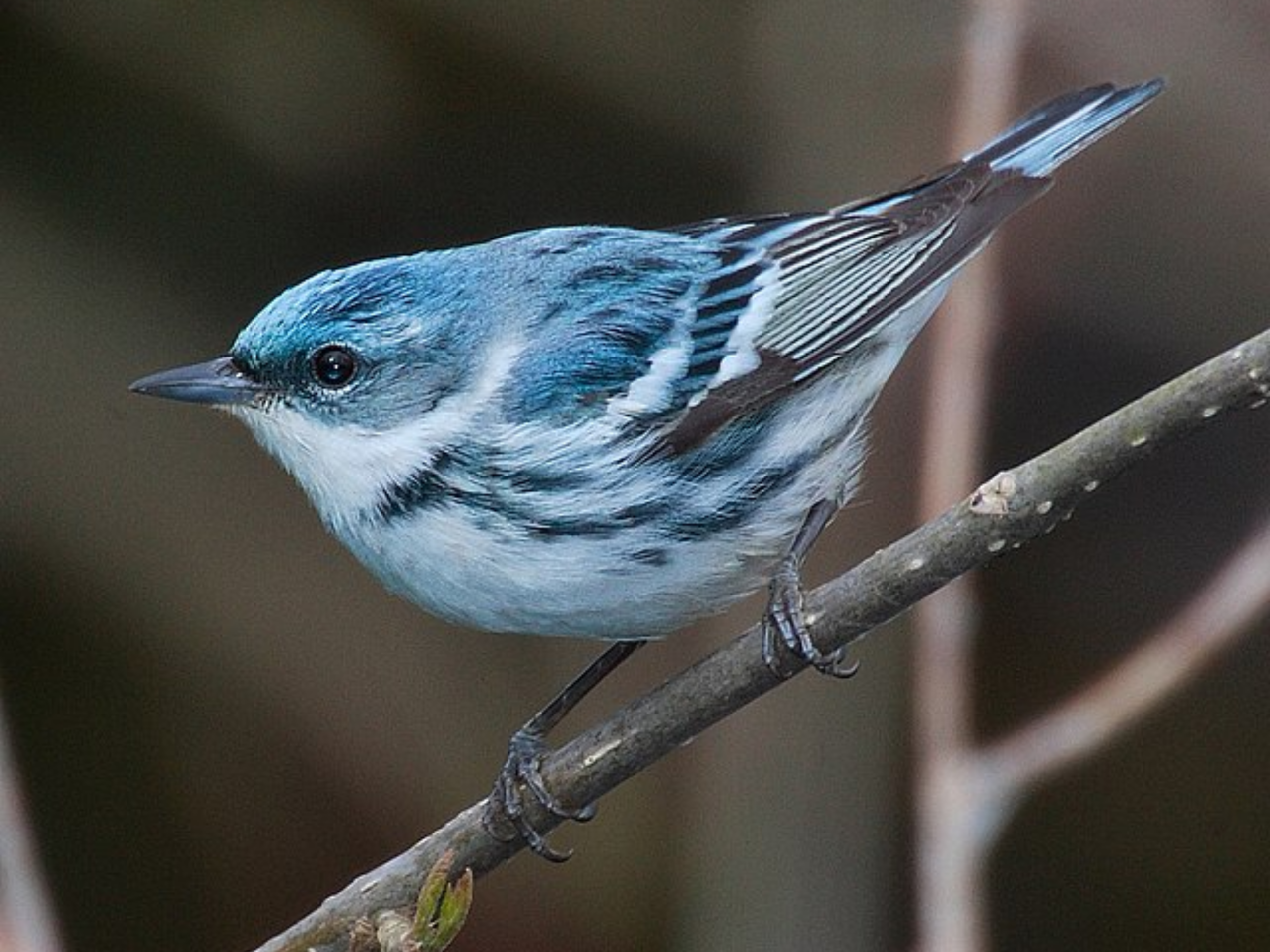
Nearly 500 bird species have been recorded in NYC, and Winston loves all of them (yes, even the pigeons). This spring, an expert birder like Winston is keeping an eye out for rare species of wood warblers, like the evocatively named cerulean warbler and golden-winged warbler.
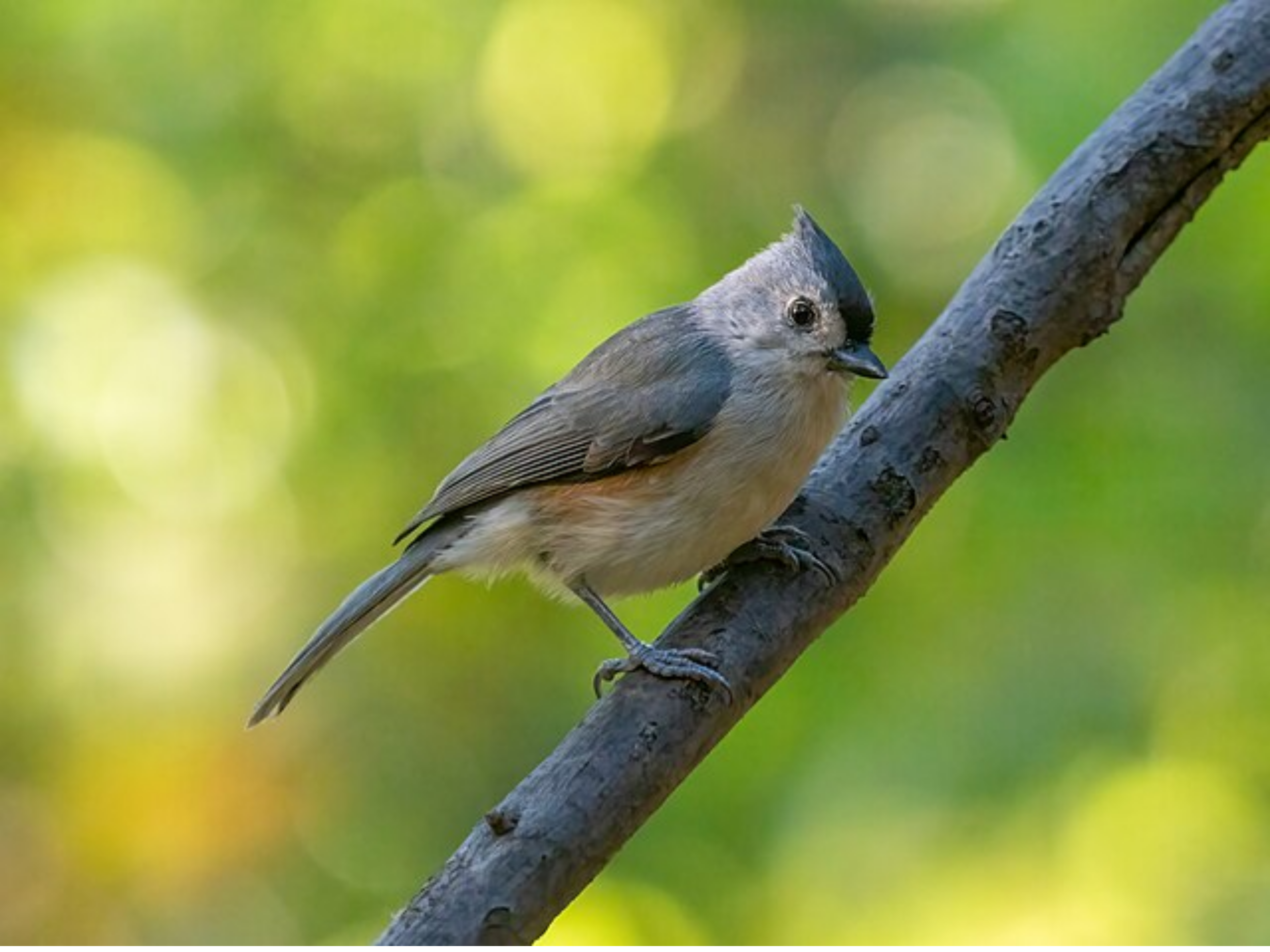
At the same time, the northern cardinal is a colorful bird that’s “so common that birders and even non-birders take it for granted.” Other birds that are often easy for novices to identify, because they are friendlier and move more slowly, are the red-bellied woodpecker and tufted titmouse.
Merlin, a mobile app, is the go-to resource for identifying birds. Winston has mixed feelings about using the digital tool, which is undeniably helpful, but takes away from the analog appeal of birdwatching.
According to Winston, the great thing about birdwatching is that there’s no one way to do it. Birding can be a social activity, if done in a group, or a source of solitude if done alone. It can be a way to get some light exercise, or you don’t have to walk at all.
“Sitting on a bench and seeing what birds show up,” he said. “That’s another amazing way to go birdwatching.”
A group walk can be an inviting way for beginners to get started, and there are multiple options on the UWS. The Wild Bird Fund, which has a bird hospital between West 87th and 88th streets, is leading many morning bird walks in Central Park from now through May. The Central Park Conservancy is hosting three birding tour basics classes in April, the NYC Bird Alliance has two events in Central Park in April and two in Riverside Park in May, and the Linnean Society of New York has a variety of walks coming up in Central Park, including one geared toward families on May 2nd.
Winston has been birding since he was six years old, and he said it can be a great activity for kids, as long as it isn’t forced on them.
Explaining birds’ ancestral connection to dinosaurs is one way to get kids interested initially. What often keeps them engaged on a bird walk, Winston finds, is the possibility of the sudden appearance of a surprising new bird.
“To allow yourself to just be in nature, connect to something bigger than you, something mysterious and weird and unexpected,” he said about the enjoyment of birdwatching. “You never know what’s going to happen.”
Subscribe to West Side Rag’s FREE email newsletter here. And you can Support the Rag here.



What could be more wonderful than birds! And their songs are so beautiful!
Each spring migrating birds head north to their mating grounds, but up to 100,000 will be stopped dead by NYC buildings. You can help them to stay on course if you turn off lights at night from 11pm to 6am. Check out http://www.birdcast.org to see the migration routes as the birds fly at night.
And keep an eye out for injured birds at the base of buildings. Bring them to the Wild Bird Fund at 565 Columbus Avenue or your nearest wildlife rehabilitator (preferably in a paper bag).
“Areas like these, where there are lots of native plants, bring good opportunities to see birds”… Is not true any more! Has no one noticed that the Central Parks Conservancy has had men tearing out and cutting down trees and bushes everywhere. The sides of Turtle Pond, the area around Azalea Pond, the Upper Lobe, the Gill, and everywhere north of the Sheep Meadow has been thinned to the extreme, with nearly all the low bushes along water, gone! I have not been able to learn what the plan is, but the CPC is destrfoying ~ has already destroyed tremendous amounts of bird habitat!
“Billlions” of birds ~ literally true! have been lost over the past decades. Why is the CPC making things that much worse????? I would like to hear from anyone with reliaable information.
You seem quite knowledgeable and passionate about this. Have you tried to contact CPC directly for their answers and further input?