

By Daniel Katzive
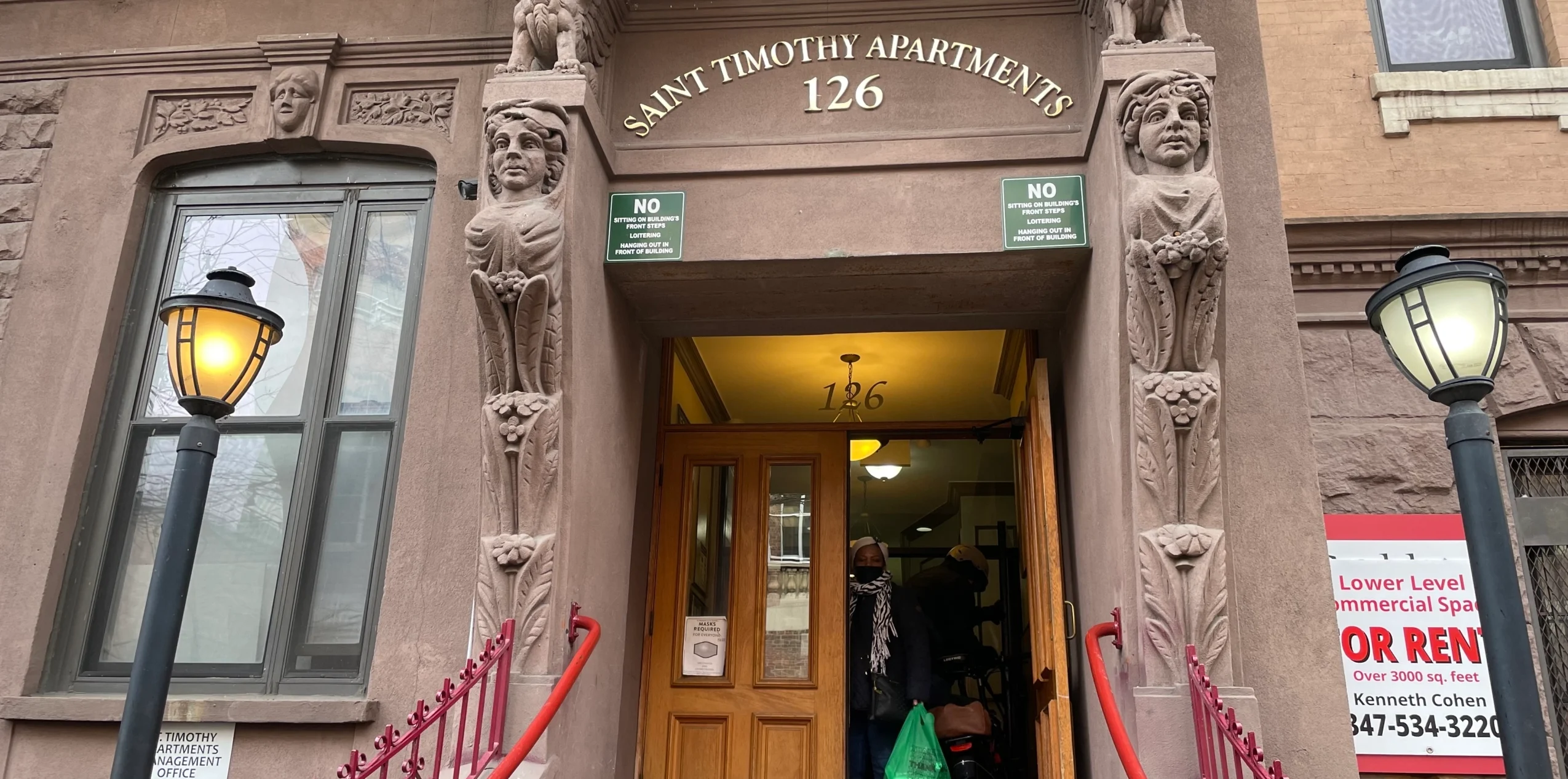
Jury selection began Wednesday in the trial of Lashawn Mackey in New York State Supreme Criminal Court in lower Manhattan. Mackey is charged in the death of 74-year old Maria Hernandez, who was found bound and murdered in her West 83rd Street apartment on January 18, 2023.
Investigators determined Hernandez had been strangled and sexually abused. The crime was shocking in its brutality, even for a neighborhood that has seen its share of violence over the years. Mackey was arrested about a week later and has been held on Rikers Island since then; he is charged with second degree murder, along with aggravated sexual abuse, burglary, and robbery. If convicted, the 50-year old could spend the rest of his life behind bars.
Mackey had worked as a temporary super in the building for several months in the year before the murder, filling in for the regular super, who was ill. The building’s video surveillance equipment was damaged and the recorder removed on the day of the crime, but police said the defendant was captured on a Ring camera installed on the building’s second floor, where he spoke to another tenant.
Police also said that cameras in the neighborhood captured Mackey leaving the building with bags he hadn’t carried on the way in, and Hernandez’s sister recognized the bags as identical to items owned by her sister that were not found at the crime scene.
The building’s super allegedly identified Mackey from the Ring camera footage, and the second-floor resident who had spoken with him also recognized him as someone who had previously worked in the building. Police executed a search warrant at Mackey’s apartment in Brooklyn, where they found rope of the same type used to bind the victim, and Mackey was arrested. A key discovered in his apartment was later found to open the victim’s door, which had not been forced open, according to detectives. The prosecution’s case is also expected to feature DNA evidence.
Mackey was allegedly accompanied on the day of the murder by Terrence Moore, who was to have been tried as a co-defendant. But Moore died in custody in February 2025 after suffering a medical episode in a holding cell at the courthouse prior to a hearing.
Video of Mackey’s initial interviews with detectives played at pre-trial hearings show he conceded that he had been in the building the day of the murder, that he had been looking to speak with the super about allegations that he had stolen tools, and that he had spoken to a second-floor resident about doing work in her apartment. However, he adamantly denied in the interview that he had been in or near Hernandez’s apartment or that he had committed the crimes or damaged the recording equipment.
In a pre-trial hearing, Assistant District Attorney Maxine Rosenthal told the court that no plea deal had been offered to Mackey, given the nature of the charges. Rosenthal said that prosecutors were likely to push for consecutive sentences for the various crimes charged so that the defendant could receive a maximum sentence of 50 years to life, if convicted. In contrast, a guilty plea would mean a maximum of 25 years to life.
Asked at a preliminary hearing by Judge Curtis J. Farber whether he understood this, Mackey said that he did, but that he preferred to go to trial to “prove his innocence.”
Depending on how quickly jury selection proceeds, opening arguments and witness statements could begin as early as next week, with Judge Felicia A. Mennin presiding.
Subscribe to West Side Rag’s FREE email newsletter here. And you can Support the Rag here.





Is it usual for it to take three years for an accused murderer to stand trial?
It’s not unusual for homicide cases to take three or more years to get to trial. I’ve seen some take five years, even with a suspect in custody soon after the crime.
This is why every building and business need cameras.
Except…”The building’s video surveillance equipment was damaged and the recorder removed on the day of the crime…”
I live on West 83rd Street and remember this vividly. It was horrendous. And for those wondering, yes, it can take well over a year (in this case, three years) for some cases to get to trial. That can occur either because the case is still being “built” (e.g., new evidence emerges) or because the system is, admittedly, often slow.
Motive?
I was on the grand jury that indicted Mr. Mackey. We heard every detail of the crime. I still shiver when I go to the post office across the street from Maria Hernandez’s apartment. She deserves justice.
I know someone who lives in the building and told me that she was a very nice lady- so awful that this happens to good people.