 By Yvonne Vávra
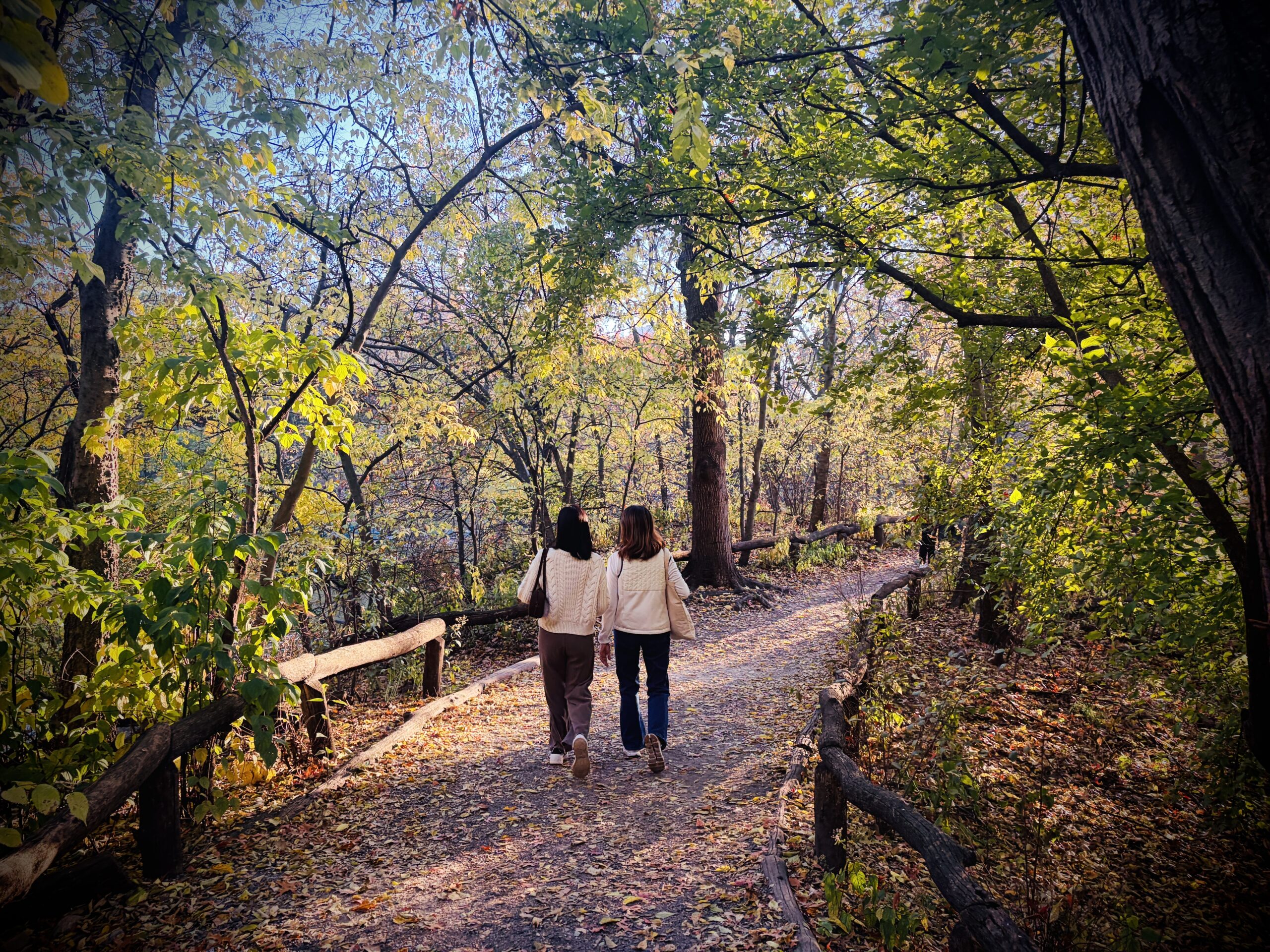
I’m sure there’s more life on and around that leaf drifting past me on a tiny creek in the Ramble in Central Park than there are people in all of New York City. It moves in and out of the sunlight filtering through the treetops before eventually getting caught in a thicket somewhere. Heavy branches dip into the glittering water, and I’m thinking about the millions of life forms teeming in this lush little world of untouched nature. And yet everything looks perfectly calm and peaceful. Had Henry Hudson sailed somewhere else, and had nobody after him come along to claim this land and push out the Indigenous people who had lived here for generations, all of Manhattan might still look like this.
Except no. Cute thought, though.
Apart from a few boulders — and even many of those were dug up and moved around — practically every part of Central Park was planned and meticulously constructed, right down to the last blade of grass. Every tree, stone, and stream you see is there by choice. The park is the vision of Frederick Law Olmsted and Calvert Vaux, who won a design competition organized by the city in 1858. The idea was to create a beautiful public space where New Yorkers could escape the pressures of an increasingly crowded and built-up city. They created the perfect green retreat, but nature itself wasn’t exactly invited to the design table.
I was reminded of this when I read about the $35.7 million water management project at the north end of Central Park, which broke ground last week. It will connect the Harlem Meer, the Loch and the Pool in a water-recirculating system that will help reduce flooding and save 175 million gallons of drinking water every year. And each of these bodies of water, just like the rest of the park, is art.
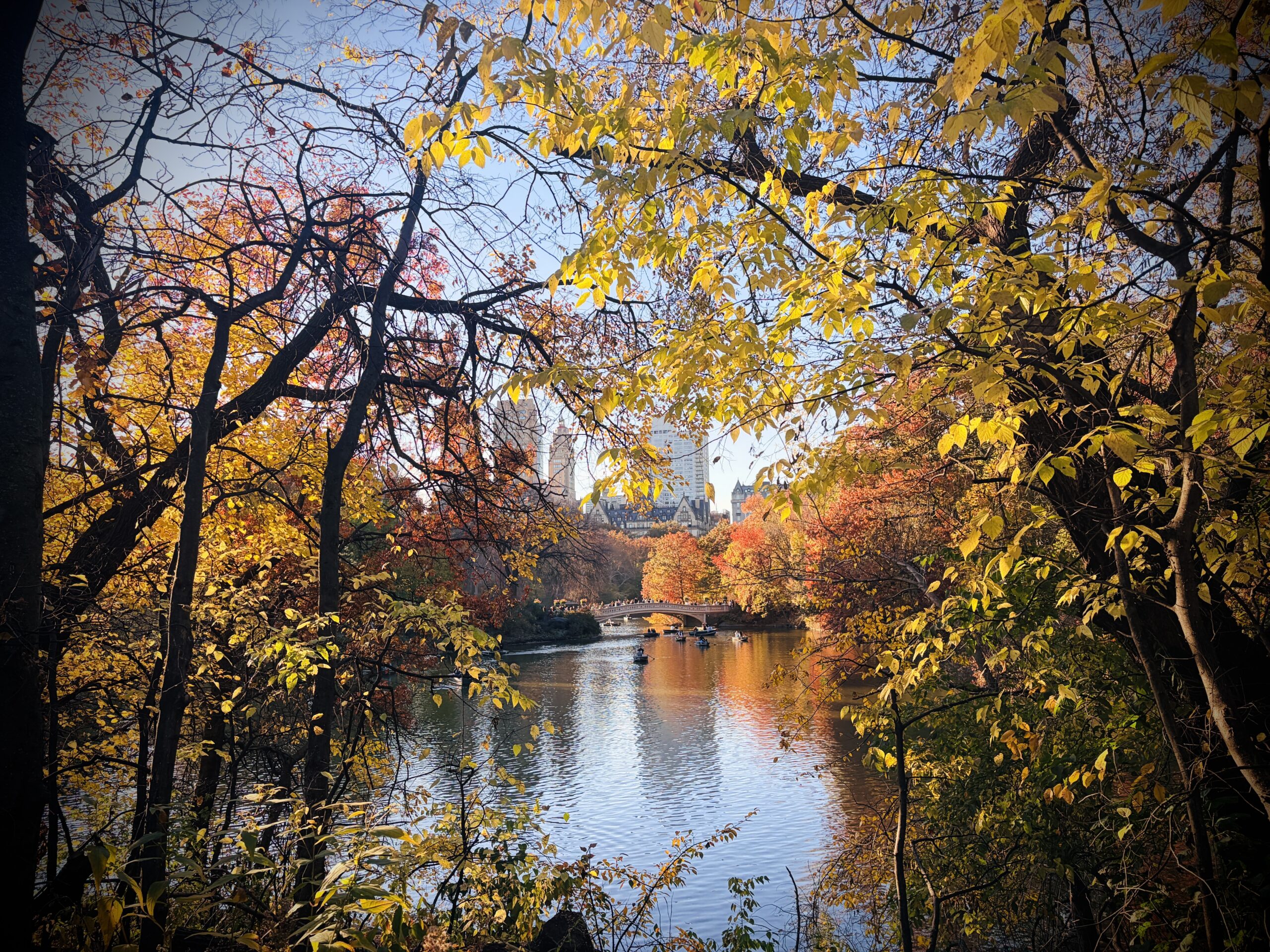
Especially the Pool and the Loch near 102nd Street look as though they’ve been there long before we came along. It’s easy to forget that this kind of wilderness is man-made. I never got lost in the Ramble thinking that two 19th-century guys with very long beards wanted me to.
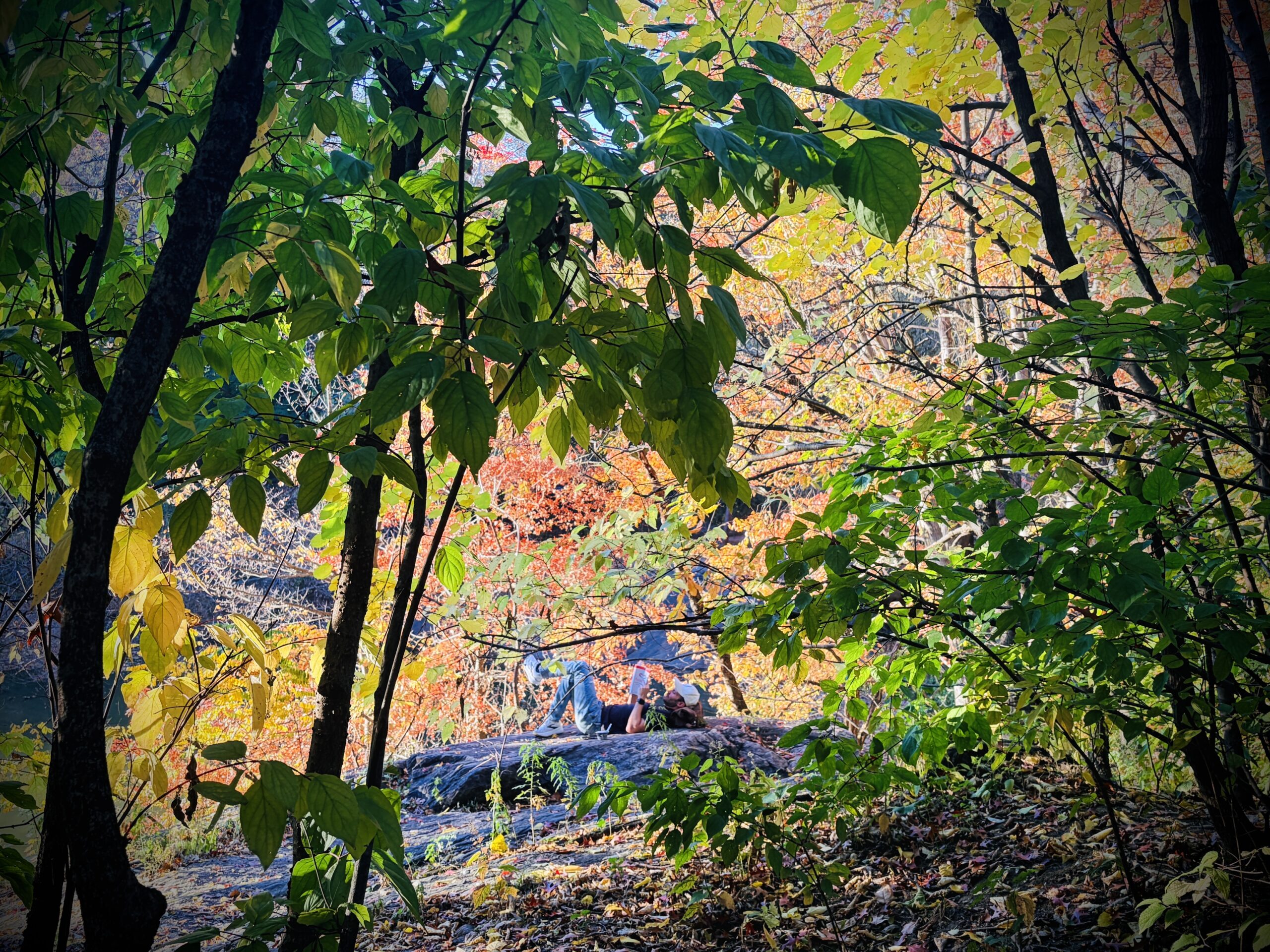
That’s the artistic achievement, and contrast is a big part of what makes it work. Some parts of the park look formal and obviously designed: the Mall, Bethesda Terrace, the fountains, the bridges, the big baseball fields. After a stroll past the almost theatrical Belvedere Castle, the Ramble feels convincingly wild. Contrast doesn’t just help us distinguish one thing from another; it can actually change how we perceive them. That’s why, as soon as I enter the Ramble, I feel a fun little fear of getting lost, of being watched by unseen eyes, or of walking into my very own Hansel and Gretel story. All by design.
It’s the whole composition that makes the music, and the skyscrapers peeking through the foliage from time to time are very much part of it. Central Park is surrounded by one of the most densely built-up urban environments on earth, and the way the city sends little reminders into the thicket makes this encounter with the wilderness all the more extraordinary. After all, we’re not stupid. We’re just giving in to the magic.
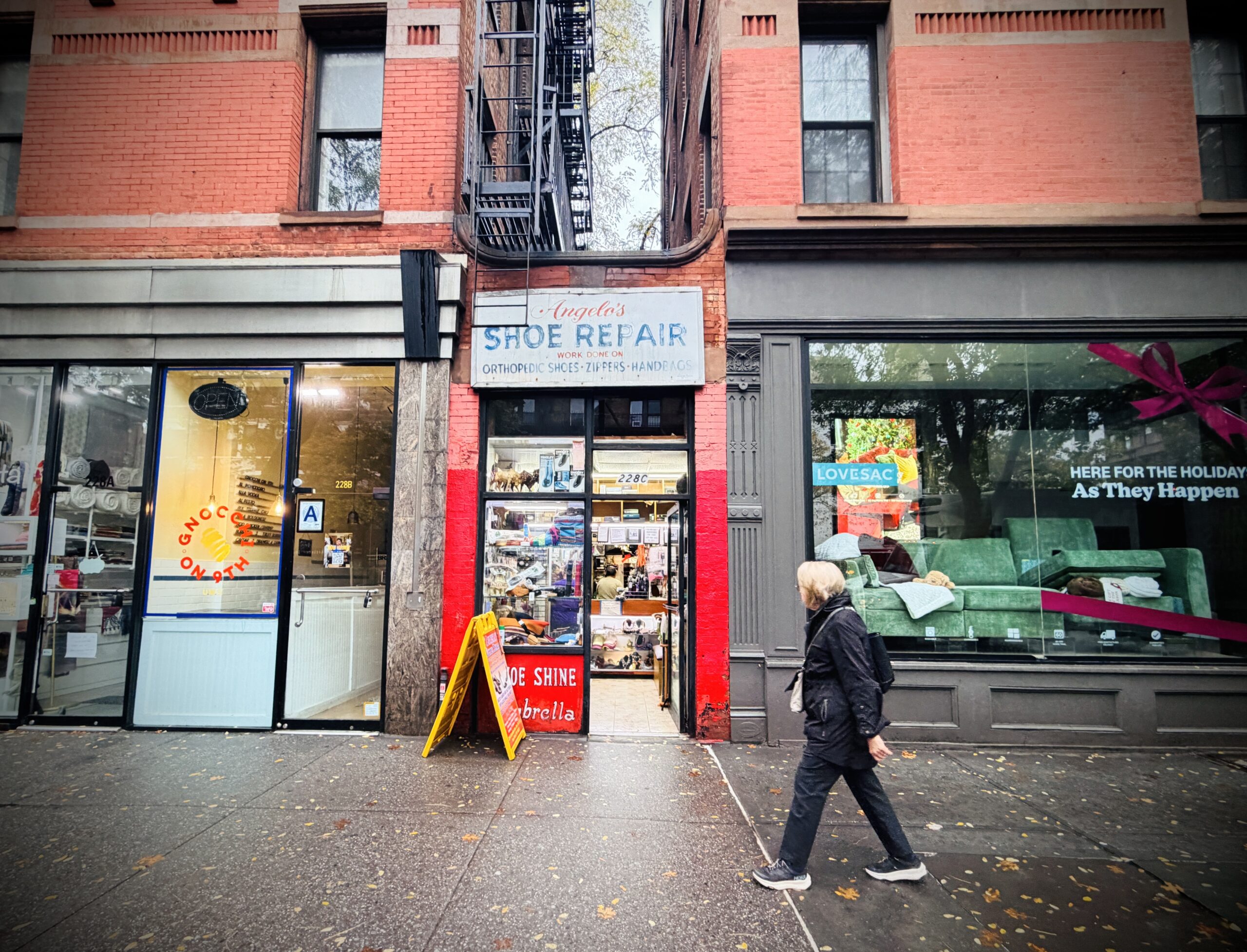
The magic of contrast doesn’t just work for Central Park but for our everyday surroundings, too. Little old Angelo’s Shoe Repair, a true shoebox of a shop on Columbus Avenue between 70th and 71st streets, feels extra charming next to all the shiny new stores. A quiet block feels even more peaceful when you know that crazy Broadway is just around the corner. We recognize an old church as a piece of history because the buildings around it have moved on with the times. And a place like Zabar’s feels all the more precious because we’ve seen other businesses come and go, and it’s just nice to get a side of comforting permanence with your bagel.
And it goes both ways: we need a little Zabar’s to appreciate the new kid on the block, a little bit of new around the old, a little bit of crazy around the calm, and a little skyscraper around the Ramble. Nothing is quite as special when it’s all you have.
Yvonne Vávra is a magazine writer and author of the German book 111 Gründe New York zu lieben (111 Reasons to Love New York). Born a Berliner but an aspiring Upper West Sider since the 1990s (thanks, Nora Ephron), she came to New York in 2010 and seven years later made her Upper West Side dreams come true. She’s been obsessively walking the neighborhood ever since.
Subscribe to West Side Rag’s FREE email newsletter here. And you can Support the Rag here.