By Gus Saltonstall
Taylor Hosking is a third-generation Upper West Sider.
She grew up on West 93rd Street and Columbus Avenue. On that corner, a neighborhood landmark of sorts goes up for certain months each year.
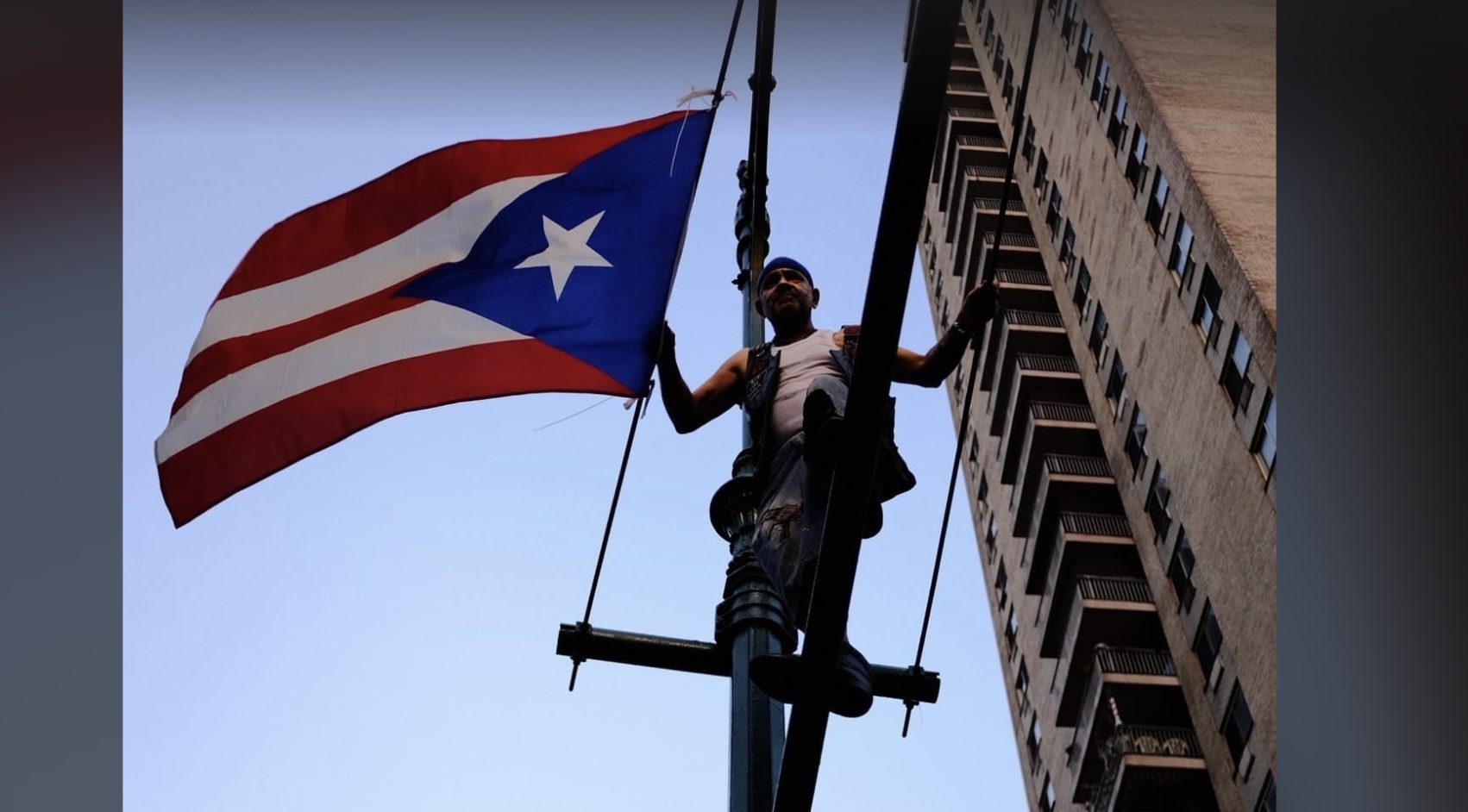
A Puerto Rican flag hung from a traffic light post on the northwest corner of the intersection.
“I had grown up having a fond relationship in passing with the Puerto Rican flag going up on the corner, but I had never stopped to wonder how it got there,” Hosking said to West Side Rag. “It looks so official and it happens around the time of the Puerto Rican Parade, so I thought maybe the city did it. So, when I saw this older guy practically risking his life to get the flag up by scaling this pole and looking out on the neighborhood, everything in me wanted to not be on my balcony, but to be down there and getting more of the story.”
Hosking, who spent years as a journalist, including at VICE, did exactly that. She got the story. And then turned the story into her new documentary — West Side Familia — which made its world premiere this summer and will air on PBS in 2027.
The documentary examines the Puerto Rican and Black history of the Upper West Side through the lives of La West Side Familia, a Puerto Rican-led neighborhood crew and community group that formed in the 1970s. To this day, members of the group put up the Puerto Rican flag on the light pole at the corner of West 93rd Street and Columbus.
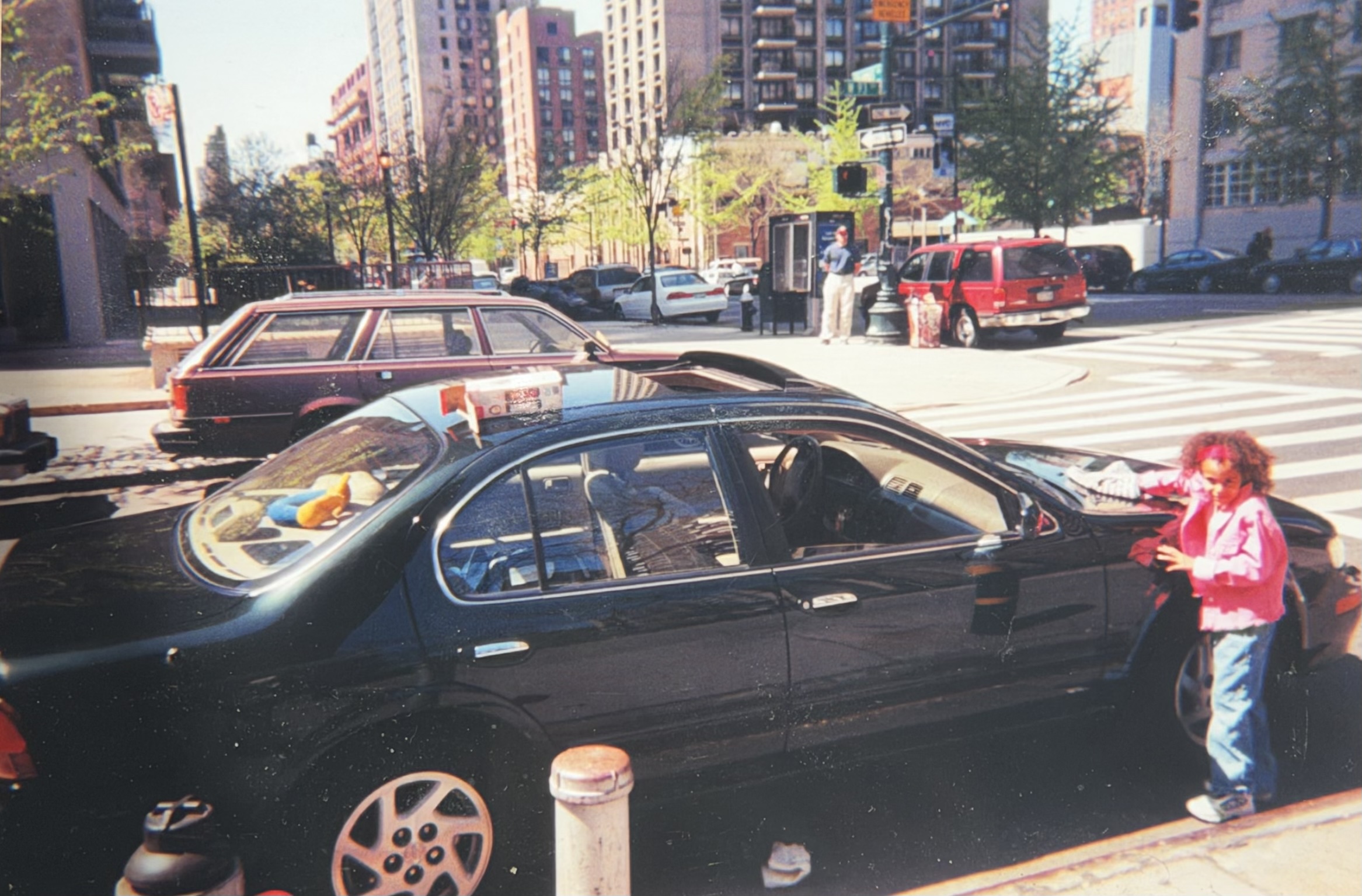
WSR recently got the chance to interview Hosking about her new documentary, growing up on the Upper West Side, becoming part of the story, and more.
This interview has been lightly edited for clarity.
WSR: Hi Taylor, could you begin with how you would describe the documentary to a person learning about it for the first time?
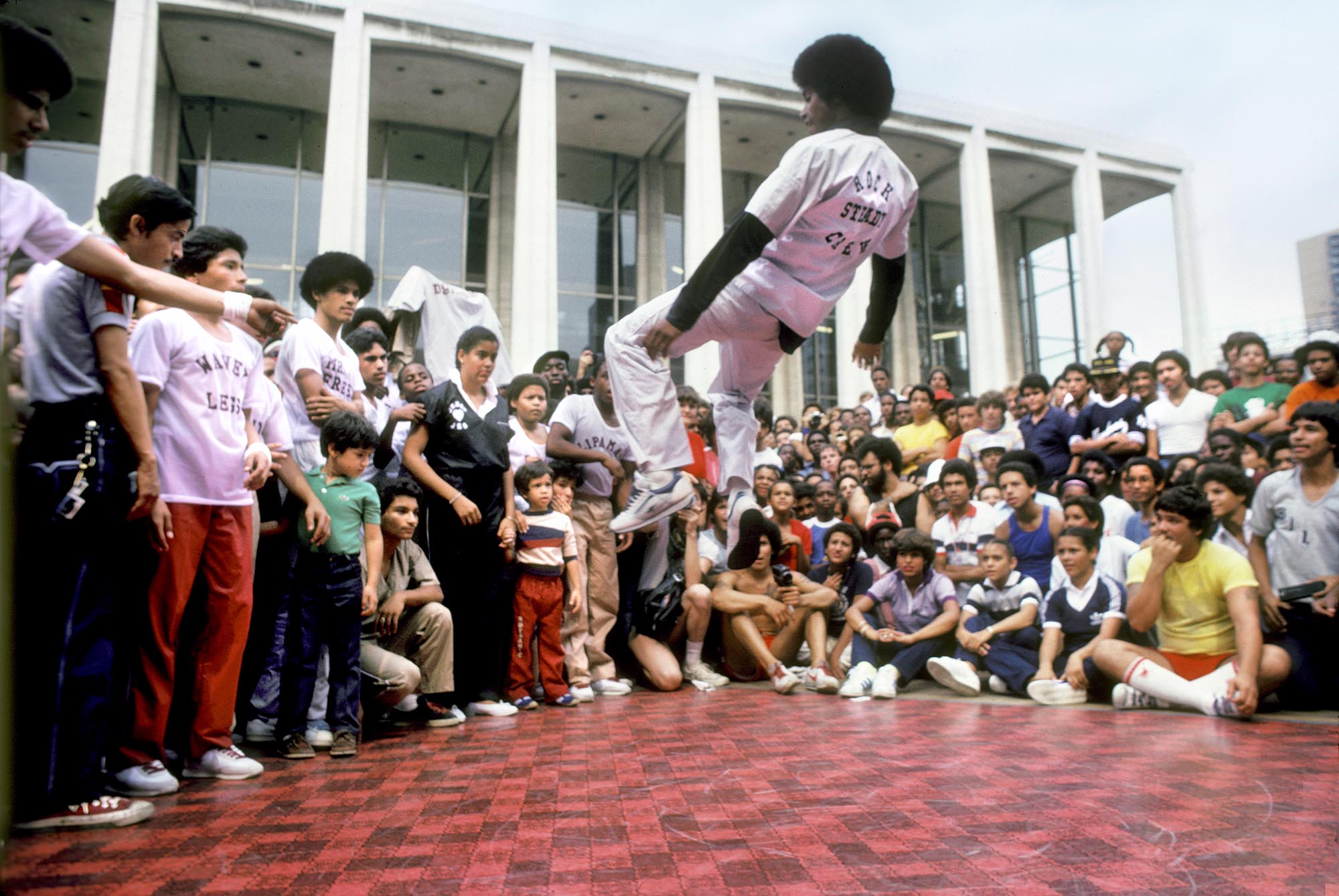
Hosking: It tells this hyperlocal story of what happened in this Upper West Side neighborhood that is currently known as this preppier, more elite area of the city. It talks about how the Puerto Rican and Black community that existed before had this huge, flourishing period and big impact on culture and protest culture and global music culture. It looks at how that big impact was decimated to near erasure culturally. And then how this ragtag group of very quirky, activist elders developed this unlikely friendship with a young filmmaker to finally get the community story told before it was too late.
WSR: The documentary centers on this Puerto Rican neighborhood crew who were active during the 70s and 80s and are now elders in the community, how did your relationship with the group begin?
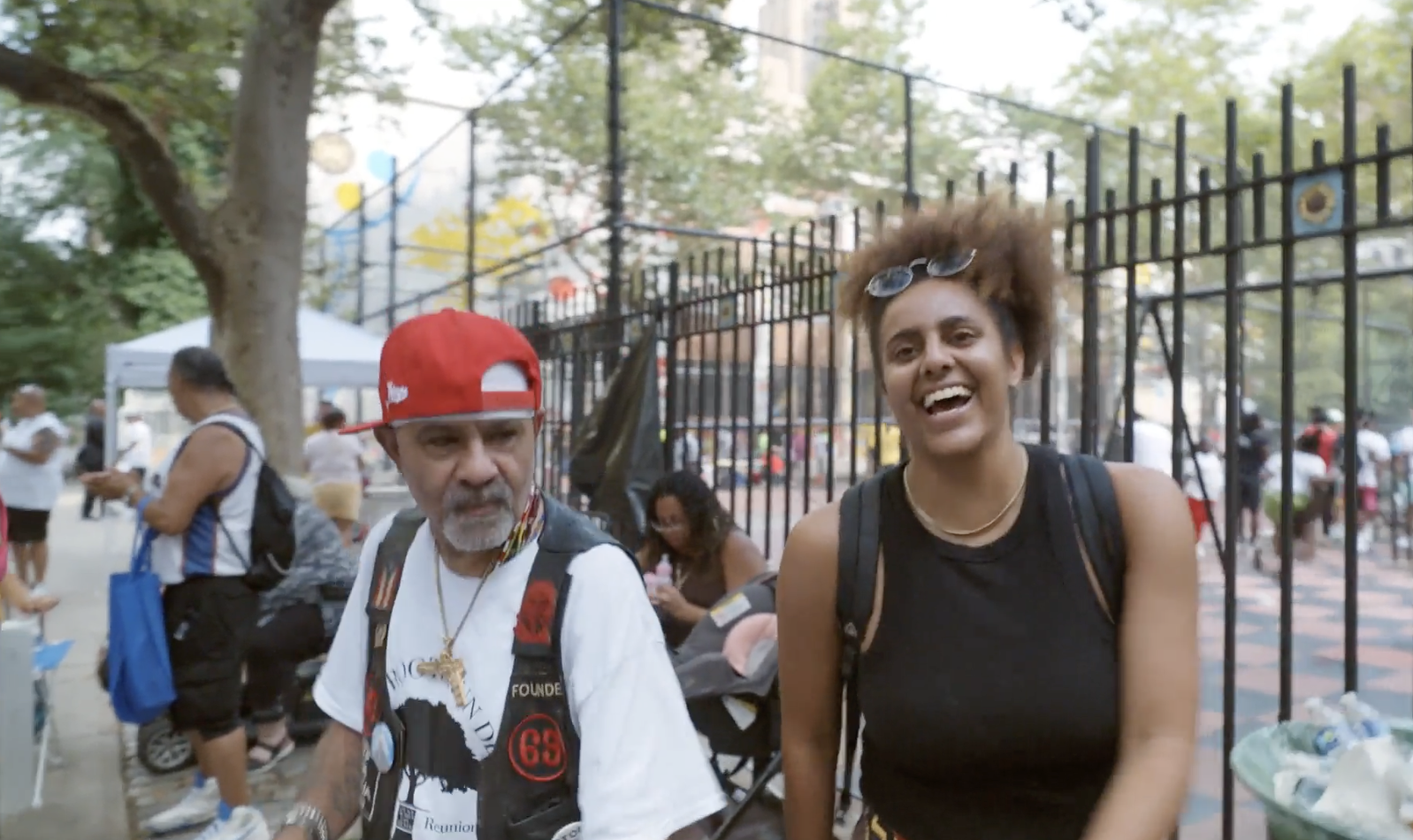
Hosking: I first started noticing them because every summer there would be a week where guys hung on the corner of 93rd and Columbus. I heard of it as a vigil that they did annually for someone who passed decades ago. It’s a group reunion and vigil. I thought that was touching, and interesting from a story perspective.
I decided to reach out to one of them when I was a journalist writing about the new version of West Side Story because I thought, ‘You know who I really want a take about this from, a Puerto Rican gang leader from the Upper West Side.’ That was my first time having a conversation with Chino, and he was just bubbling over with stories. When I saw them hanging the flag for the first time, that was when everything came full circle. I had been hearing these tidbits about them from my mom. That these guys are keepers of the old culture of the neighborhood. Some of the glue of what used to be around here.
WSR: This documentary is extremely personal to you. It’s about the block you grew up on. It’s about the Puerto Rican community you are part of. Do you think that changed the process of creating it? Would it have come out differently if it was about a street a few blocks away. How much of it being your home block played a part in the creative process?
Hosking: It became a really big part of it. I initially tried to approach it as I would any story and focus on their story, and use the fact that it was on my block as the reason I know about it in the first place. I wasn’t imagining it as being a story about us coming together and forming a bond. As I started to get into the deeper intentions of the story, part of it was to more deeply humanize people that outsiders could have negative, stigmatized stereotypes about from the way they present themselves with these hard edges, leather vests and bandanas. But then I actually got to know these deeply sentimental, older guys and how deep they are as people, and how much effort they put into maintaining these traditions. As we became closer, I realized after all of the interviews that it really did need a strong narrator to tie everything together. To make the story flow.
I much later in the process became part of the story and documentary. As we got to the heart of why I was emotional about this story, it had so much to do with me being someone who cares about this street and area personally. I was first intrigued about this because of my mom, and her now having passed away. It brought so many emotions.
WSR: You’ve touched on it, but more and more the Upper West Side gets portrayed and written about in quote on quote popular culture as an affluent, white neighborhood, but it’s a community with 230,000 different people in it. Can you talk about any frustration you have with that and how it might erase those community members who don’t fit into that mold?
Hosking: Yeah. I’d say the most popular show to come out of the Upper West Side is Seinfeld. And, to the extent that Curb Your Enthusiasm is also often in the neighborhood. That kind of ethos is most closely associated with the area. Marvelous Mrs. Maisel and gorgeous Dakota-like buildings along Central Park West, this sort of castle lifestyle. While that is certainly truthful too, as there are different lifestyles co-existing in this neighborhood, it just created a situation where when I was growing up, older people in my life would point out things in the neighborhood like hip hop pioneers or other cultural touchstones, because they thought that was the only way I would know.
At the same time, I’m going to this prep school on the Upper East Side. A lot of my friends live in that neighborhood, and they have no awareness of any of those local histories that the elders in my community would speak about. It wasn’t until I was old enough to do cultural analysis and reporting and research myself, that it became, oh, it’s not just these were some breakdancers from the Upper West Side, these were the breakdancers that taught everybody about the art. I realized one side of the community had way more they could be speaking to, but has never gotten the platform to do so.
WSR: How much of this story is about the cost of housing? In a time where the affordability crisis is only getting worse.
Hosking: It became a pretty significant throughline to the story. On the one hand, this is a really unique gentrification story because a lot of the longtime residents are still here with the affluent people because of these housing policies that were fought for over the years through programs like Mitchell Llama, or rent stabilization or rent control. That’s what allowed it to become a story about how when all of the typical tactics to displace groups from their homes are not working, it enters this realm of cultural erasure, and neighborhood identity battles over traditions and public space. That set the world of this story.
During the story, I learned there was this local squatters-rights movement during the 70s and 80s that contributed to preventing a bigger, mass-scale displacement in this area that I grew up in that would be more similar to what happened in Lincoln Center and San Juan Hill. That squatters-rights movement happened in reaction to these total nearby levelings of Black and Puerto Rican communities. It kept people in their homes.
WSR: I’m sure you expected to find out certain things by putting this documentary together, but was there anything unexpected that came from telling this story?
Hosking: I assumed that the way this cultural erasure happened was largely the powerful people focusing on themselves and not wanting other people [to be] part of the image. But, it actually had a lot to do with the crack epidemic, the way in which that embroiled the community. I assumed it would be a bit more of a black-and-white racial justice issue, and it turned out to also be a really significant public health problem. The emotional trauma from that public health disaster that was the crack epidemic contributed to the community’s decline.
WSR: And, can I ask about your own personal favorite spots on the Upper West Side?
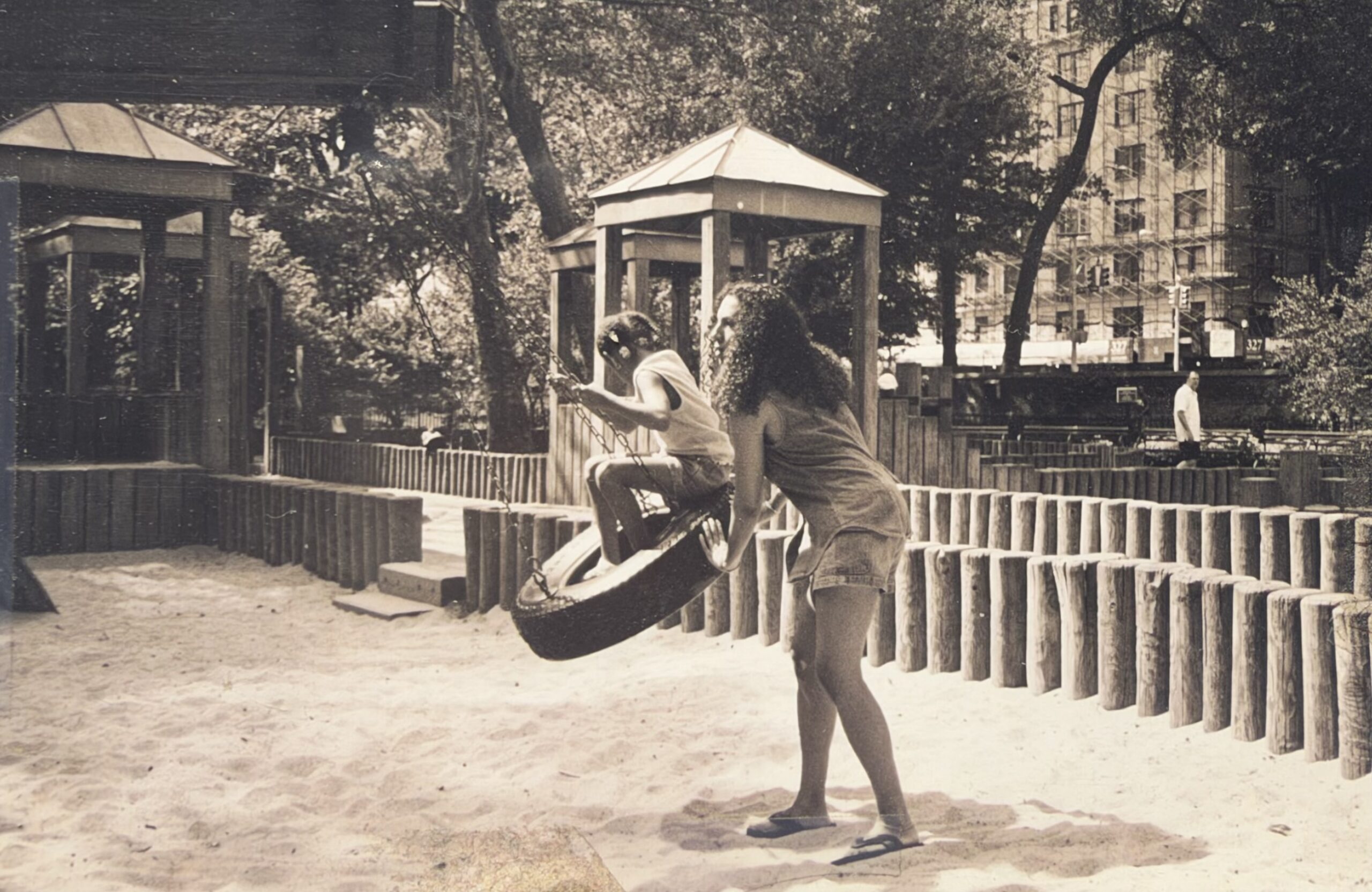
Hosking: Growing up, I always loved the swings near the Great Lawn, even past the age of when it’s acceptable to go inside a playground for the swings. When you’re just an existential teenager growing up and needing to think through some things, it was a great place. I’d also say I love Kouzan Sushi — shoutout to 93rd Street. I love that it has a homey, living-room vibe. I’ve always loved the Boat Basin area, and hope that will come back. Gray’s Papaya of course.
WSR: Any final thoughts?
Hosking: I’m just very excited about these neighborhood homecoming screenings. Even my grandmother was telling me she was learning new things watching this film. I learned so much in the process of making it, so I think people that are from here will still be recognizing and learning things at the same time. I’m hopeful. Excited that people are going to get the chance to connect with their own histories, and I hope people will feel connected with that, regardless of whether they are or aren’t Puerto Rican.
Those Upper West Side screenings of the new documentary will take place in November.
The first neighborhood screening will take place within The Bernie Wohl Center at Goddard Riverside on Saturday, November 14, at 2:30 p.m. There will then be a second screening of the documentary at Symphony Space on Saturday, November 21, at 5 p.m.
You can find out more and check out tickets — HERE.
The trailer is also available, HERE.
Subscribe to West Side Rag’s FREE email newsletter here. And you can Support the Rag here.