
 [
By Rob Garber for the Bloomingdale Neighborhood History Group
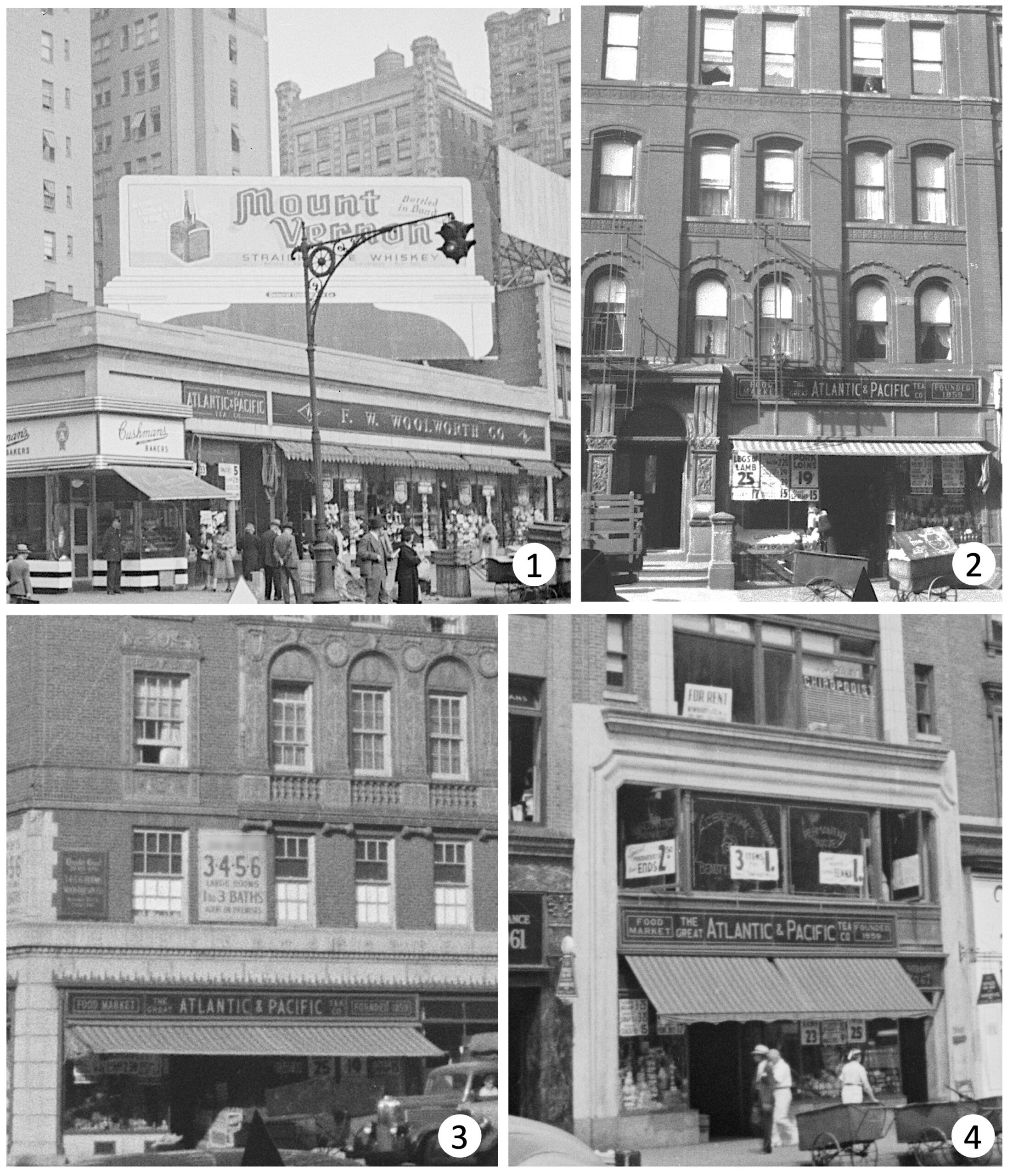
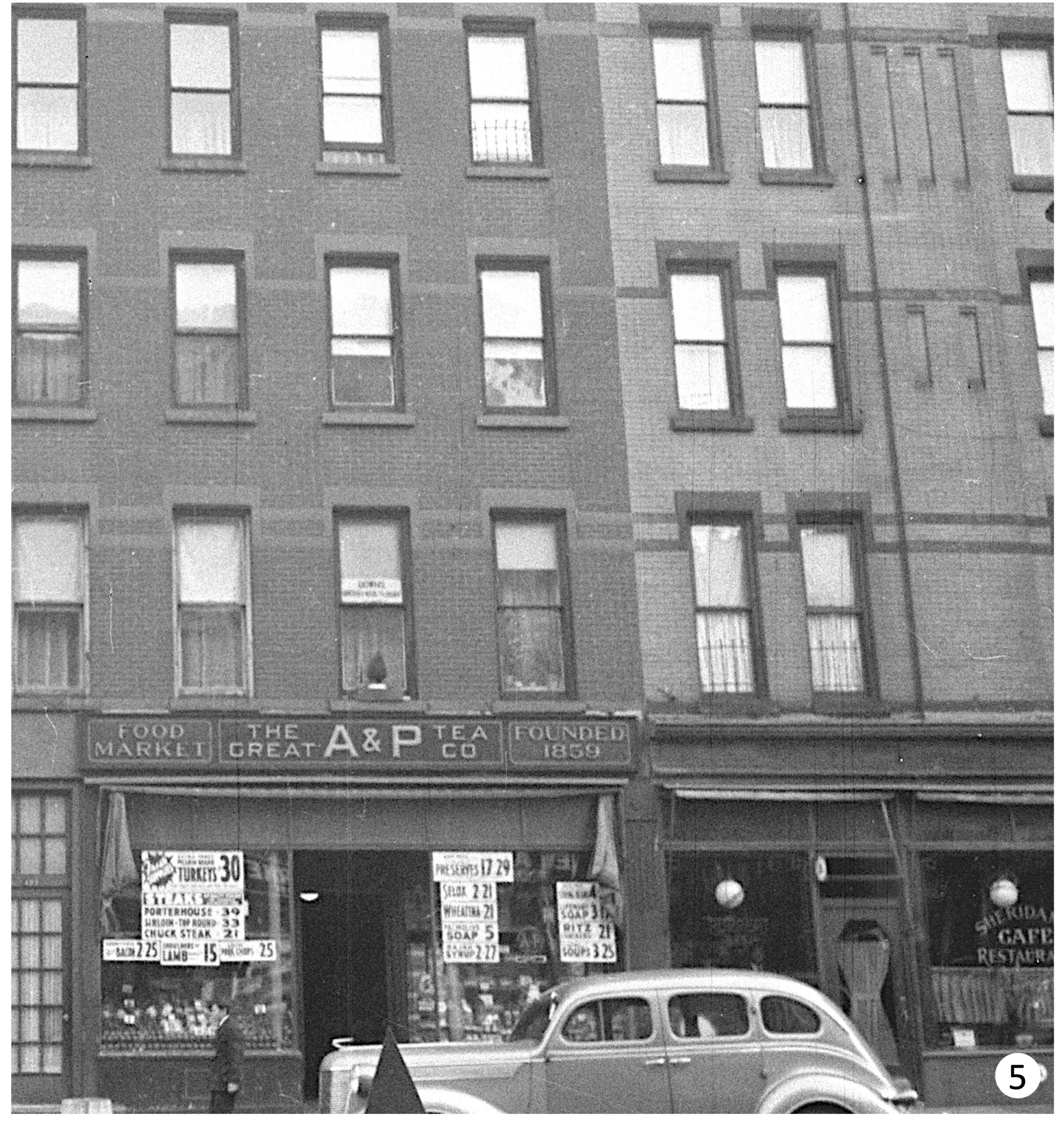
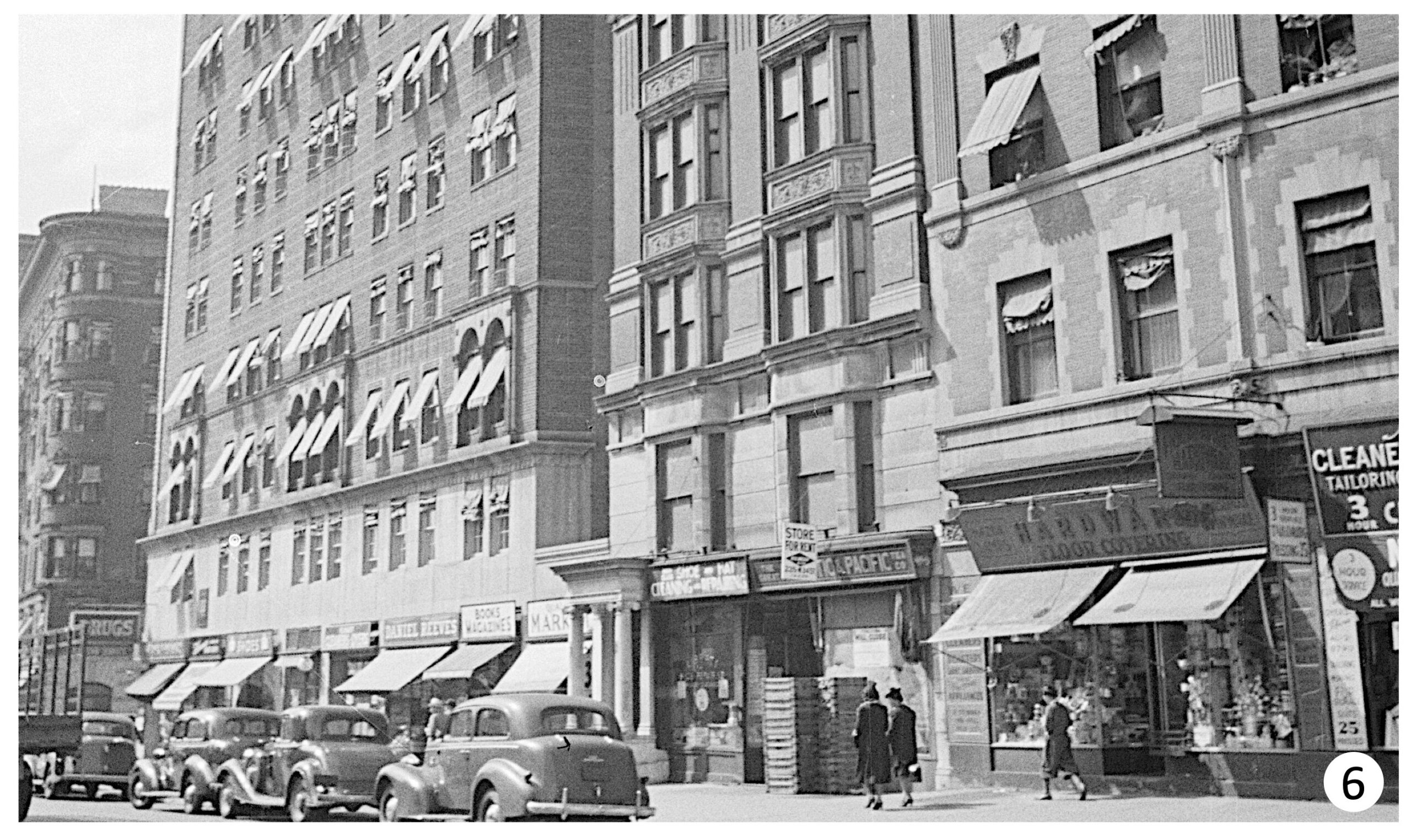
Welcome to another installment in the Rag’s Historical Photo Challenge. This week’s challenge is a bit different—these are all Great Atlantic and Pacific Tea Company grocery stores that were located somewhere on the Upper West Side, sometime in the past. The challenge is to identify where they were located. Look closely; this week’s photos, like the others in the series, include clues that will assist you, if you’re a dedicated UWS history sleuth. And even if you don’t recognize the pictures—not to worry! Come back in two weeks and I’ll decode them, show you the clues that help identify them, and—best of all—tell you a story the images unlock, because this column isn’t just a test of your neighborhood knowledge; it’s also a rolling celebration of the people, buildings and events that wove the tapestry of the Upper West Side.
Ready? If you think you know where and when the photo was taken and what it shows, post your answer as a comment on this column.
Solution to Historical Photo Challenge #38
Subject: The Riverside Drive split at West 155th Street
Location: Riverside Drive at 155th Street [for one week only, Washington Heights is part of the Upper Upper West Side]
Date: April 1933
Image Source: New York City Municipal Archives
Clues: There’s so much going on in this image! It shows the Henry Hudson Parkway looking north towards the bridge, for sure—or does it? In fact, this is Riverside Drive just before the H Hudson was built, and only a couple of years after the George Washington Bridge opened. Traffic is still wonderfully light. Your clues included the distinctive bend and dip in RSD as it splits into Riverside Drive West and East at 155th Street, just past Trinity Cemetery. Speaking of which, that was another clue—a few grave markers are visible directly below the Drive. And in the upper right corner is a glimpse of the curved façade at 765 Riverside Drive, built on the site of John James Audubon’s house. 765 RSD was so new when this photo was taken that it has a “Now Leasing” sign visible.
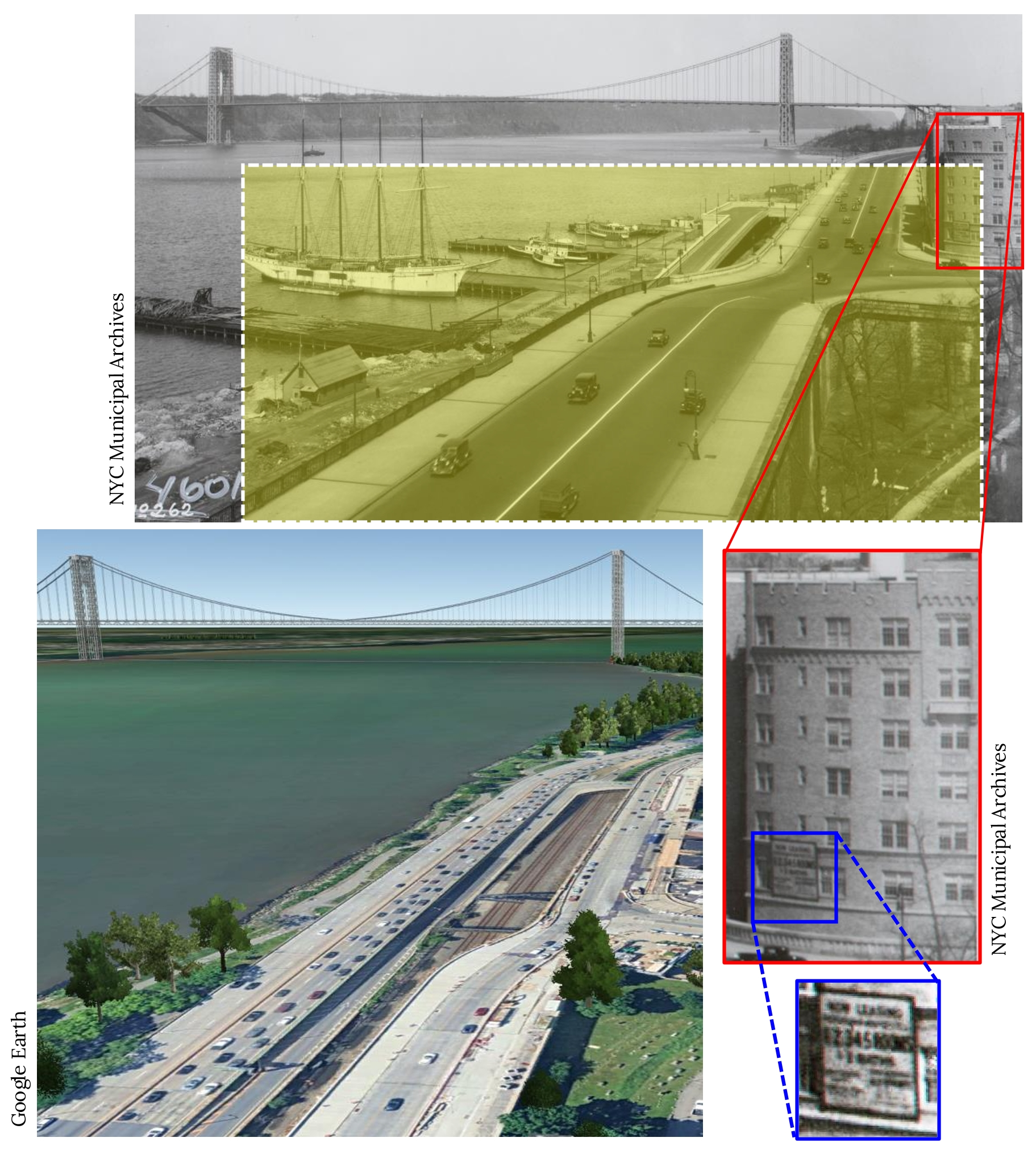
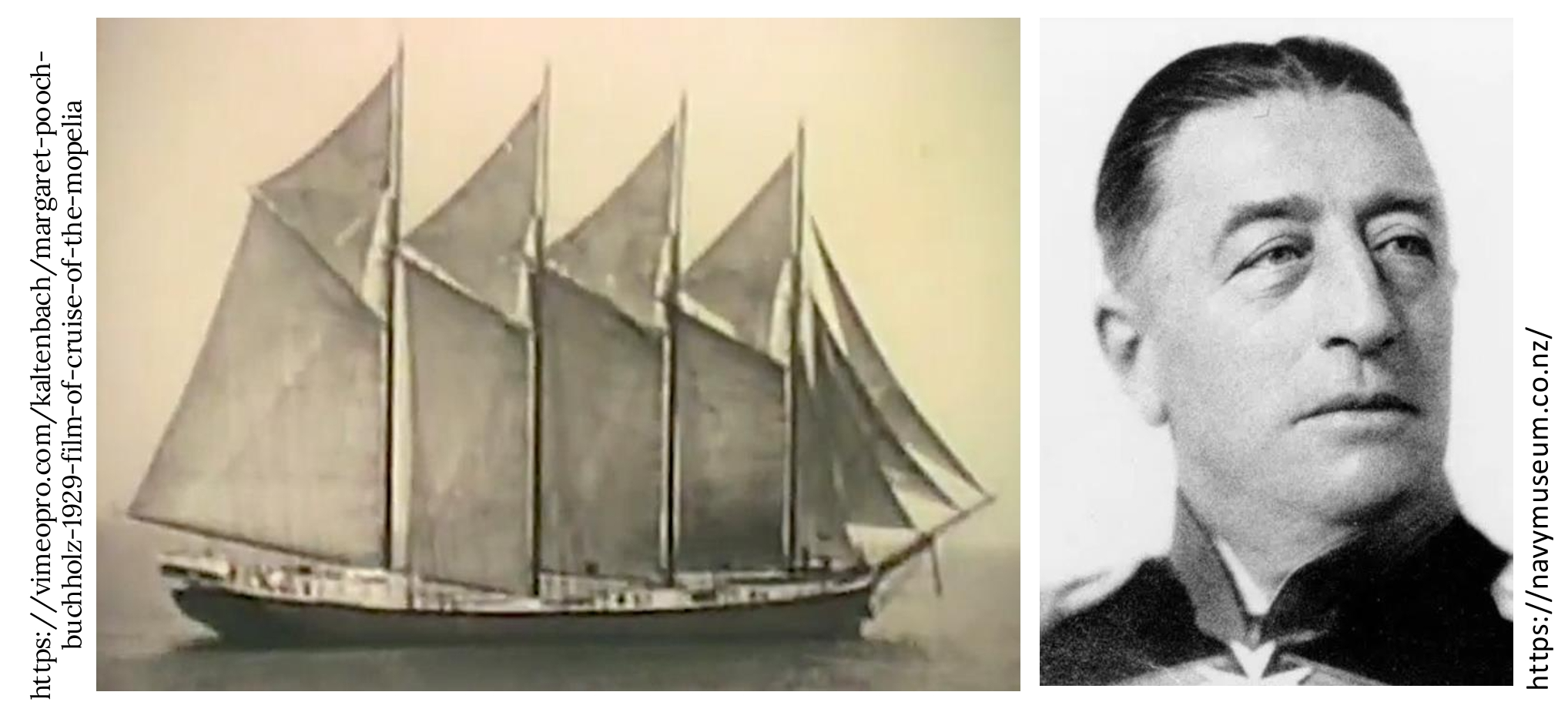
The rest of the story: Let’s start with the waterfront—the Hudson River above 60th Street hasn’t always been as sterile as it is today. Upper Manhattan had a hard-working, hard-playing shoreline well into the 20th century. Even this little stretch shows four piers, a couple of wooden structures, and several docked boats. And what’s the story behind that impressive four-masted white schooner in the photo? Glad you asked. It’s the 180 foot-long Mopelia and therein lies quite a tale. The captain of the Mopelia was Count Felix von Luckner. Born in 1881, von Luckner was the scion of a German military family. He ran off to sea at the age of 13 and lived a life of adventure, though he was such a spinner of yarns that it’s impossible to sort fact from fable. What’s certain is that he was given command of a sailing ship during World War I that had been outfitted with concealed weapons, and he became a commerce raider—essentially a pirate—on behalf of Germany, sailing throughout the Southern Hemisphere, tricking other captains with his innocent-looking ship, then seizing and scuttling them. Still, von Luckner gained a reputation as a gentleman, treating his victims decently and not resorting to violence, at least beyond the act of sinking ships! After World War I he was treated as a hero in Germany and tolerated as a good guy elsewhere, including the U.S. Luckner’s legendary World War I raider, SMS Seeadler, was destroyed on a South Seas atoll called Mopelia. He bought a new schooner and gave it the island’s name. That’s the ship that he sailed to New York and docked on the Hudson, first at 79th Street and then at 155th Street in 1931. He gave public talks, hired the Mopelia out for chartered sails, and tried to convince whoever would listen to him that Germany was a good nation. Things got dicey when the Nazis came to power. The evidence isn’t conclusive, but von Luckner seems to have walked a fine line between resistance and collaboration during World War II. He died in Sweden in 1966.
…and that’s the story behind the mystery image in the last challenge. Now scroll back to the top of the column and take on your next one, Sherlockians! If you’ve missed any pictures in this series, you can find the complete set on my author page. All photos in the Upper West Side Historical Photo Challenges used with permission.
About the author: Rob Garber has lived on the Upper West Side since the late 20th century and is a member of the Bloomingdale Neighborhood History Group. To learn more, visit their website at upperwestsidehistory.org.
Subscribe to West Side Rag’s FREE email newsletter here. And you can Support the Rag here.