

By Margie Smith Holt
For two years during World War II, Curt Bloch lived in a cramped attic in the Netherlands, hiding from the Nazis. A German Jew, he passed the time creating a small satirical magazine of art and poems that ridiculed Hitler, denounced Nazi propaganda, and documented his life underground. “Het Onderwater-Cabaret” he called it. “The Underwater Cabaret.”
When he was liberated, so was the work – all 95 artfully produced and preserved issues, one for every week Bloch spent in hiding between August 1943 and April 1945. When he emigrated to New York in 1948, the fragile editions came too – first to Queens, where they remained for some 40 years, then, eventually, to the Upper West Side, where for two decades more, they stood on a bookshelf in a brownstone on West 92nd Street.
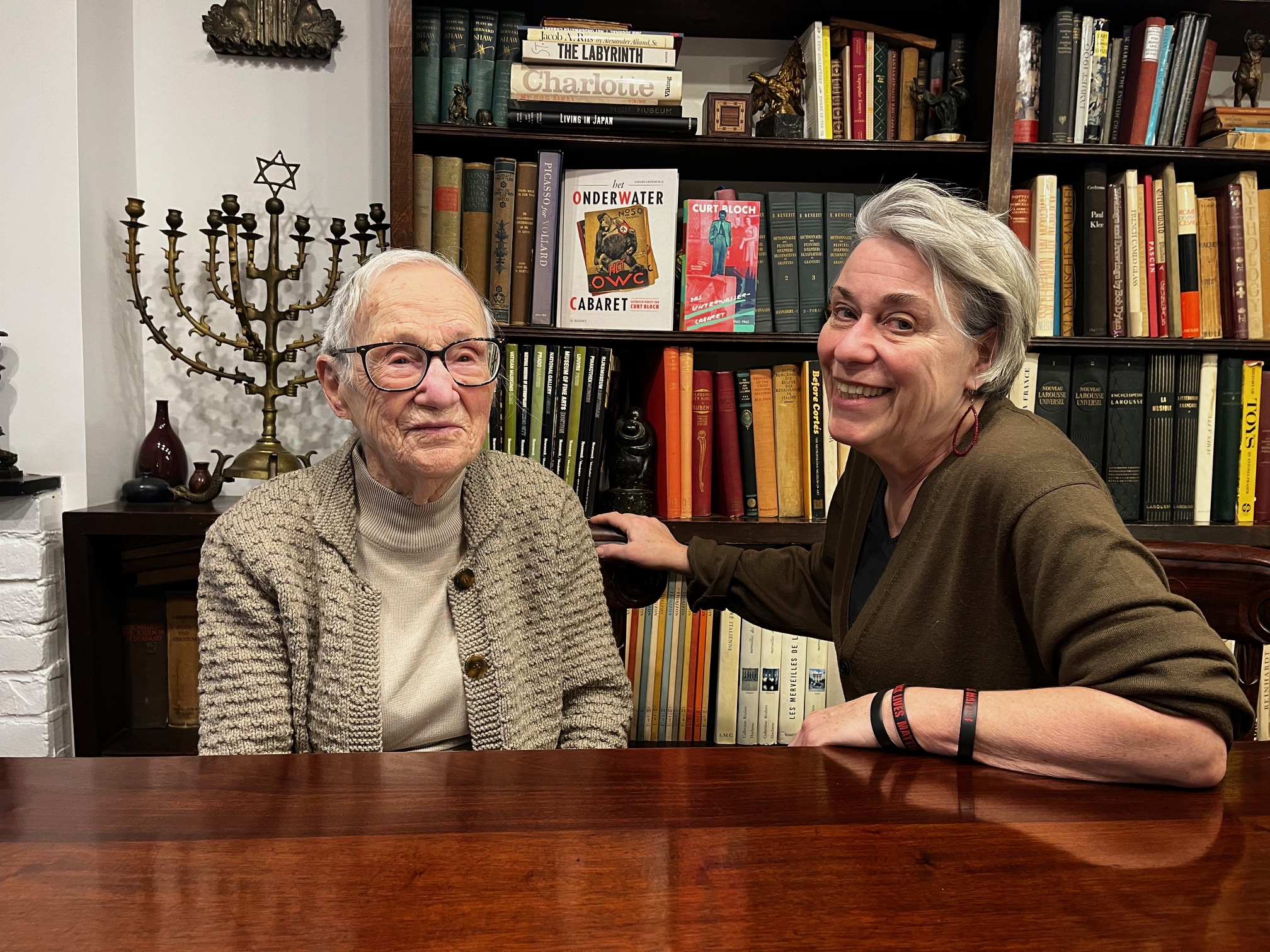
Sitting in front of that bookshelf, Bloch’s widow, Ruth, a 100-year-old survivor of Auschwitz, and daughter, Simone, explained that for years, they believed no one outside of the family would care about Curt Bloch’s underground literary project.
“You thought that no one was interested,” Simone said to her mother during a conversation with West Side Rag. “And yeah, I think at the time, no one was. Because at the time, when my father was alive, most of the people who were still in Germany were Nazis. Had been Nazis.”
Ruth agreed, noting that, “After the war, you never knew who this guy is, or this woman is” or what they had done during the war. “I wouldn’t shake any German’s hand because I thought…maybe they were the ones that killed my parents. Who knows?” said Ruth.
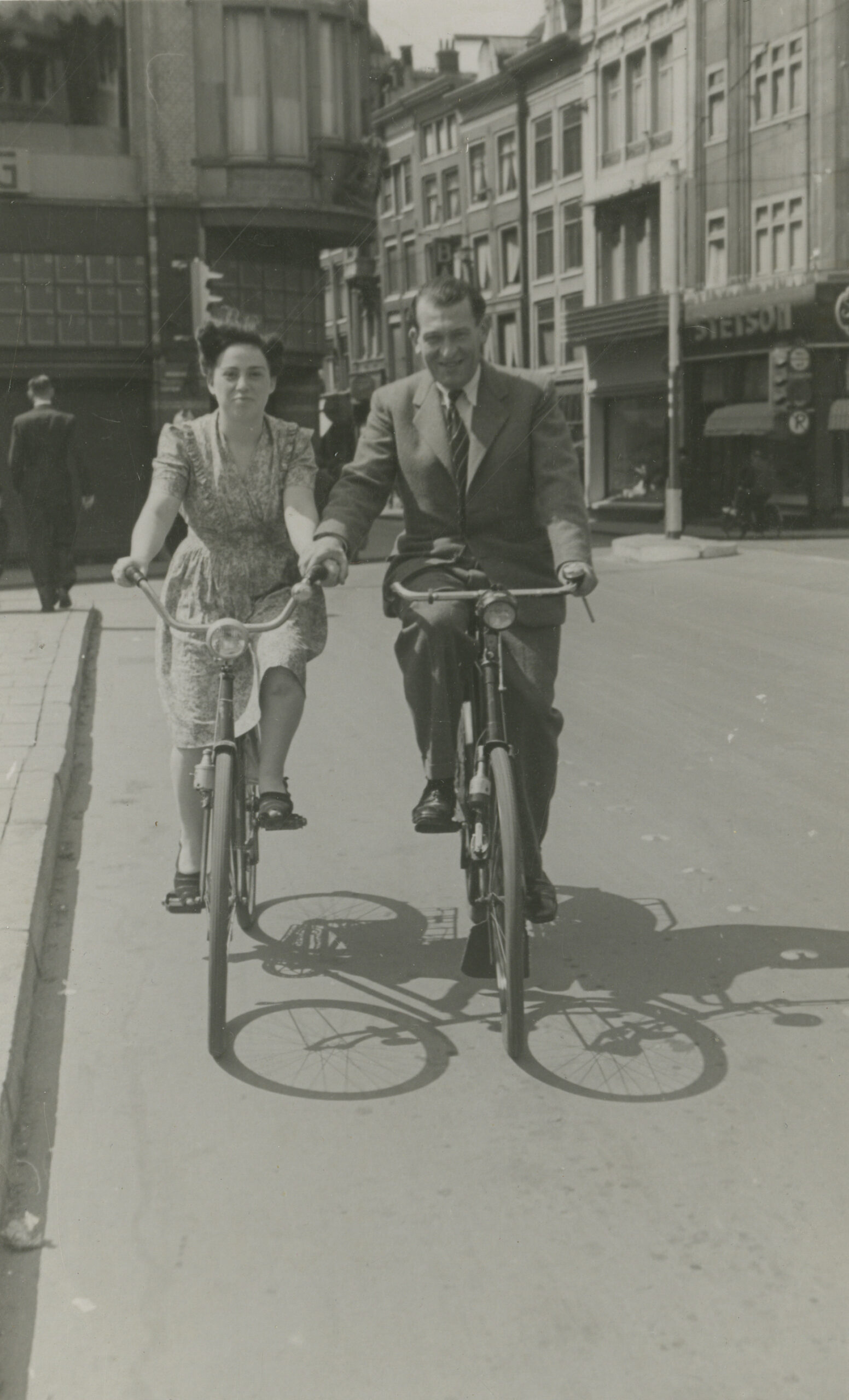
“When I was a kid,” said Simone, “people who had been in concentration camps – we called them victims. The word ‘survivor’ is a relatively new thing. History has changed. History has been made since my father died [in 1975] that made it possible for this to have a place.”
That place is the Jewish Museum Berlin, where Bloch’s extraordinary work received its first exhibition and is now part of the permanent collection, “a dream come true” for the family. A second exhibition is planned for the National Holocaust Museum in Amsterdam later this year (December 17, 2026–May 9, 2027). And while no full-scale showing of the original artwork is scheduled in the U.S (not yet, anyway; Simone’s working on that), Bloch’s story returns to the Upper West Side this week. On Thursday, January 22, large-scale reproductions of the work will be on display in an all-day exhibit honoring his work at Congregation Rodeph Sholom on West 83rd Street.
“It’s a wonderful thing,” said Ruth Bloch. “It’s important because people don’t really know what was going on in the underground. People know people went to concentration camps, but they didn’t know what happened to those that were lucky and were underground.”
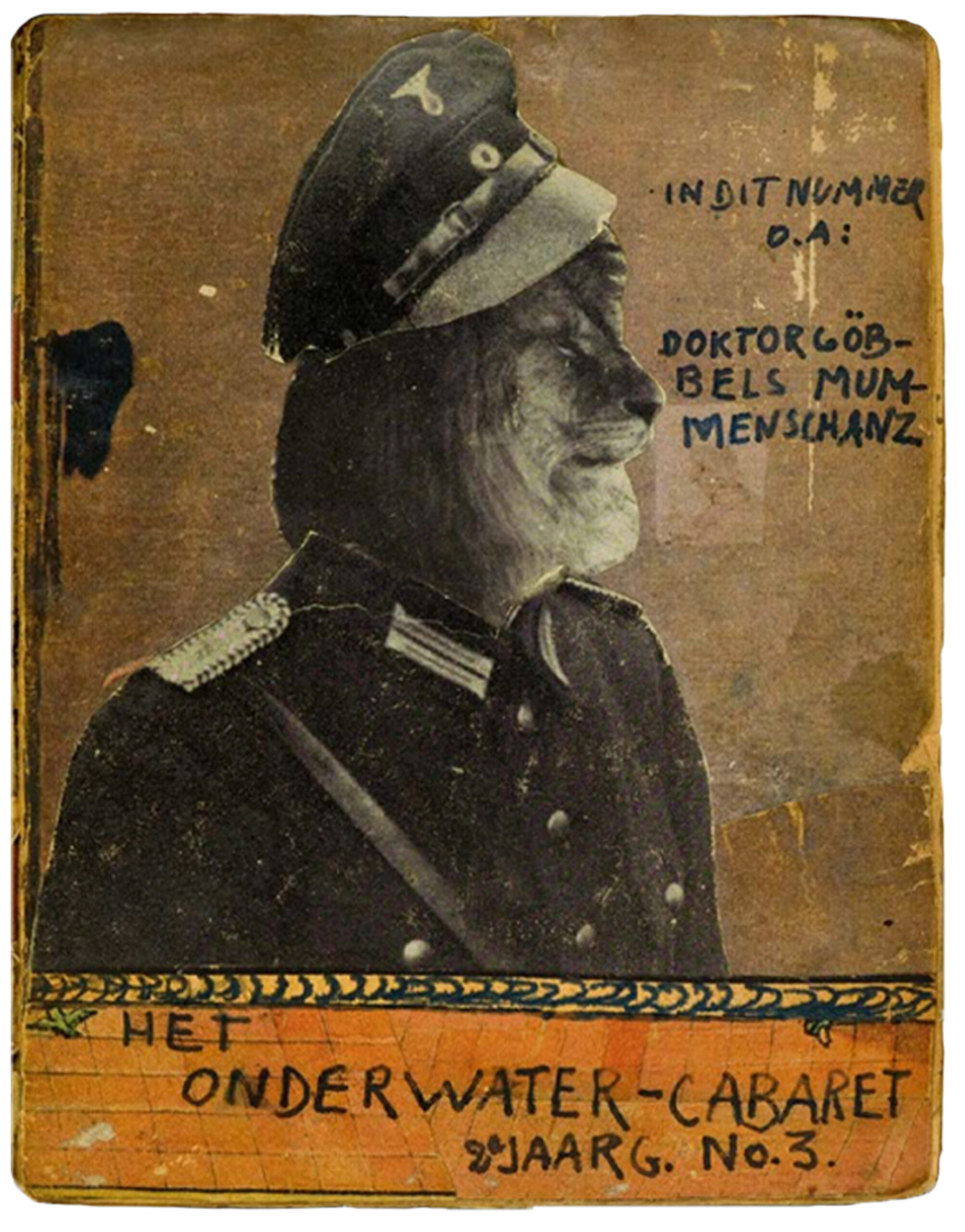
The Underwater Cabaret’s path out of obscurity began in 2011 when Bloch’s granddaughter, Lucy – Simone’s daughter – began researching the work as a college student. Then Simone took up the mantle, collaborating with German author and designer Thilo von Debschitz to create a digital archive, publicize the magazine, and start getting Bloch the attention he deserved.
“I call myself my father’s stage mother. Or, you know, Swifty Lazar with one client: my father,” said Simone. “My elevator pitch for him is that he was like Tupac Shakur and Anne Frank with delusions of Stephen Colbert or John Oliver…actually, John Oliver, because [“The Underwater Cabaret” appeared] once a week.”
Bloch’s wife and daughter believe his work’s message of creative resistance is especially relevant today.
The magazine “tells a lot of what happened,” said Ruth. “How the Germans bought into this fanaticism.”
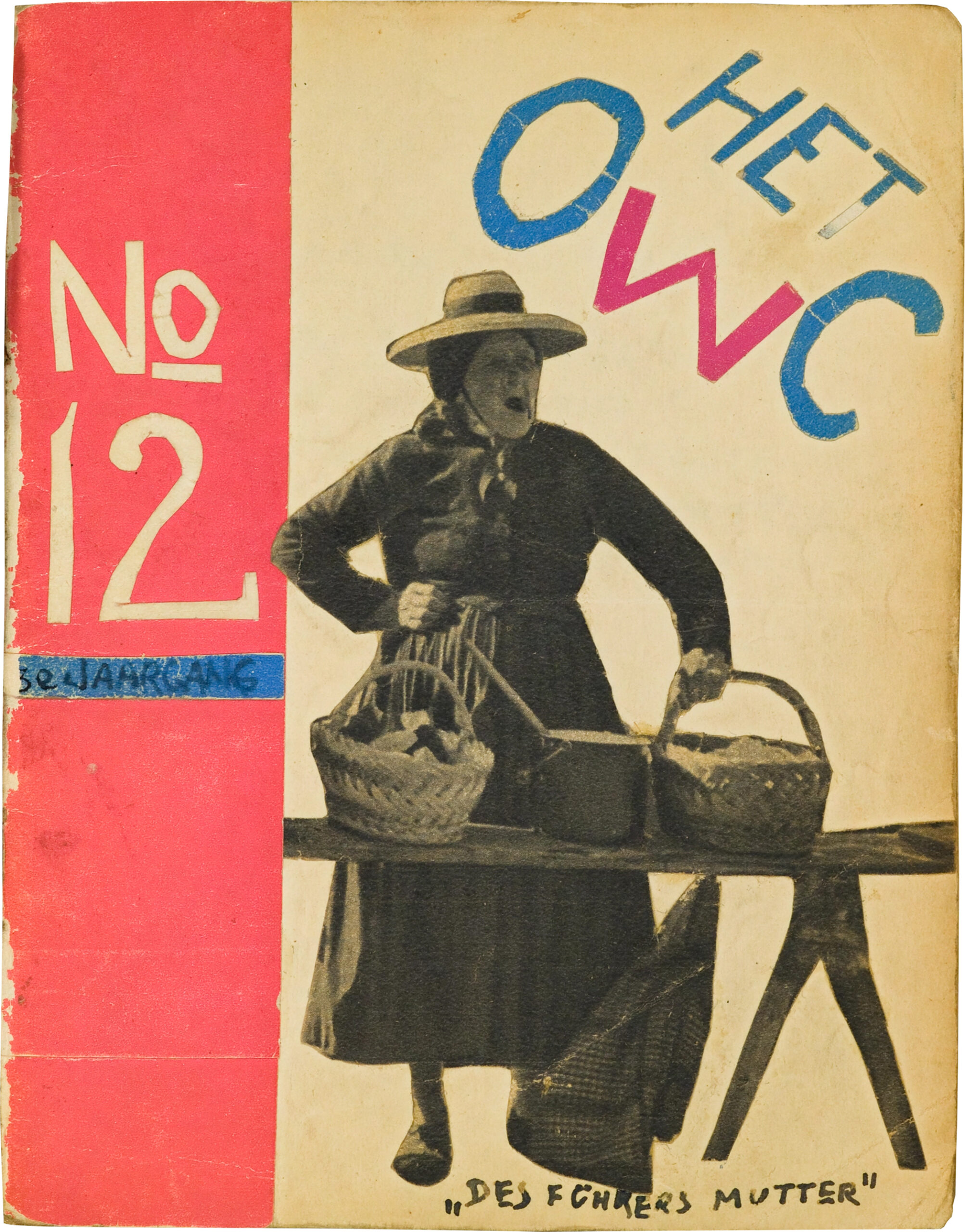
“I hope it inspires people to ask questions about themselves, and how they think about humanity, and about what’s going on in this world right now, when people are being grabbed off the streets and killed in broad daylight,” said Simone. “I’m trying to figure out…who are the allies? Who are the allies who are going to help liberate us?”
Simone Bloch is the only surviving child of parents who were both the lone survivors of their respective families. She was a teenager when her father died in 1975. Finding a home for his remarkable collection and promoting his legacy has given her a second chance to get to know him.
“Were you really into hearing what your parents had to say when you were 14?” she asked. “I wish we had had an easier relationship. It was the ’70s. He was an old German man, and I was a young American woman. I think we would have made amends, had he not died.”
“Like all kids, you know,” Ruth laughed. “They have problems with their parents.”
Said Simone: “I wish he could have known how proud I wound up being of him.”
Hidden Art of the Holocaust: Curt Bloch’s “Onderwater-Cabaret” will be on exhibit Thursday, January 22 from 10 a.m. to 8 p.m. at Congregation Rodeph Sholom, 7 West 83rd Street. Simone Bloch and Thilo von Debschitz will speak at noon and 7 p.m. Register to attend the exhibit — HERE.
Subscribe to West Side Rag’s FREE email newsletter here. And you can Support the Rag here.




What an astounding history and testament to human spirit. The art samples are amazing. Anne Frank with a happier ending. Thank you for publishing this.
Wow. I hope the family considers putting these together as a book, with some of the history. I hope I can make it to the exhibit.
See the digital book of individual issues with the fantastic covers that is linked to the story. It is incredible.
This man was a truly great artist. His ability to turn the horrors of the war into poetry with hopes and his understanding of the events as they happened is amazing. He remained hopeful and ultimately lived a full life. The digital book linked in the story is something I will try to read without being overwhelmed by the sadness and tragic world it portrays.
Couldn’t Rodeph Sholom spare more than one day|?
I agree.. one day is far from enough time for this to be available there!
I think it’s wonderful of the family to share this. I hope some of the collection makes its way to Richmond VA where I now live. To think I lived briefly 2 blocks from the Bloch’s in the 70s. I might have even have run into them!!!
Would
Love to hear more of the Bloch story- from hiding to living to 100
On the UWS. So much to learn from
Their history.
How wonderful to know about this now. My eyes are tearing up. Thank you for bringing this to your readers. My grandfather had a basement of mementos after coming to the US fleeing Jewish prejudice in Tzarist Russia and my American mother threw it all in the trash. They all settled in Corona Queens. So I never saw the sad history and never really knew what or who existed. Good luck to you- when they said it “couldn’t happen here” it looks like they were wrong.
I can relate to your story. When I was a teenager I was very interested in Czarist history which my own family fled. My mother and aunts told me my grandfather, who died before I was born, fled with very little, and while I got some of his things (as my immediate family’s “archivist”), I did not get everything. They remembered he had a small bust of Trotsky and Caruso records, and some other political items, and we found out they landed with one cousin, who was the black sheep of the family. We went to see her so I could retrieve the items, and when she opened the door and I asked, she replied “Oh, I threw out all that old junk.” My mother saw my face contort, and afraid I would literally explode, my mother wisely whispered, “Go sit in the car.” I did. I never spoke to that cousin again. The items I retrieved from a different Aunt’s basement (principally sheet music from the Philadelphia Jewish People’s Chorus) I donated to Yivo Institute, which was glad to have them. I still have a few other items. These things are precious. I cannot fathom people who have no relationship with history, let alone their own, or the ability to recognize the historical value in such. It drives me nuts.
You are a WONDERFUL person to have retrieved these precious and priceless items, and YIVO Institute is the perfect home. My parents were survivors, and when my father died at the age of 95–my mother had died tragically from Alzheimers at age 79–I took months going though all of their papers, documents photos, diaries, and letters saved (including 23 from Eleanor Roosevelt) despite my brother wanting to throw it all out, sight unseen. He’s awful! I found astonishing things, have donated many of them and kept many others. Nothing was thrown out without my having examined everything. Your black sheep relative was and is appalling–I am furious just from reading your piece. And so grateful to know there is someone else who cares deeply about this heritage and will not let it vanish. I wish we knew each other/could know each other!My 30 year old daughter feels exactly the way I do. My gratitude to her defies language.
Thanks for writing. I understand. I never knew about my mother’s sadness and I guess shame (about being an immigrant?) until too late to understand. I have a long letter in Hebrew (maybe) from USSR 1937
which I took to the Temple on w.70th and they had no clue. So I let it go but if my parents were here today I would thoroughly ask them WHAT HAPPENED and where is everybody? It’s driven me nuts as well but I do have pictures of them -they were gorgeous young Americans. So there it goes…Have a good day Sam! Best.
The Center for Book Arts in Manhattan, and obviously The Jewish Museum or the Center for Jewish History would all be appropriate venues for this fabulous exhibition. I hope they are hearing about this.
Wow. Amazing story.
I noticed in the top photo it looks like a book called “Underwater Cafe” is on the shelf. Is there a book?
My wife’s father arrived in nyc as a baby in 1900 as family fled Taarist Russia. It never ends!
Today is an especially apt day never to forget.
Re the Curt Bloch art and writing durung the war—- this is wonderful– a treasure trove of courage and perseversnce and talent! May it find a wide audience. We all so need examples like this right now!
Thanks for the beautiful story, will try to make the exhibit.
Rag is just wonderful sometimes