

By Yvonne Vávra
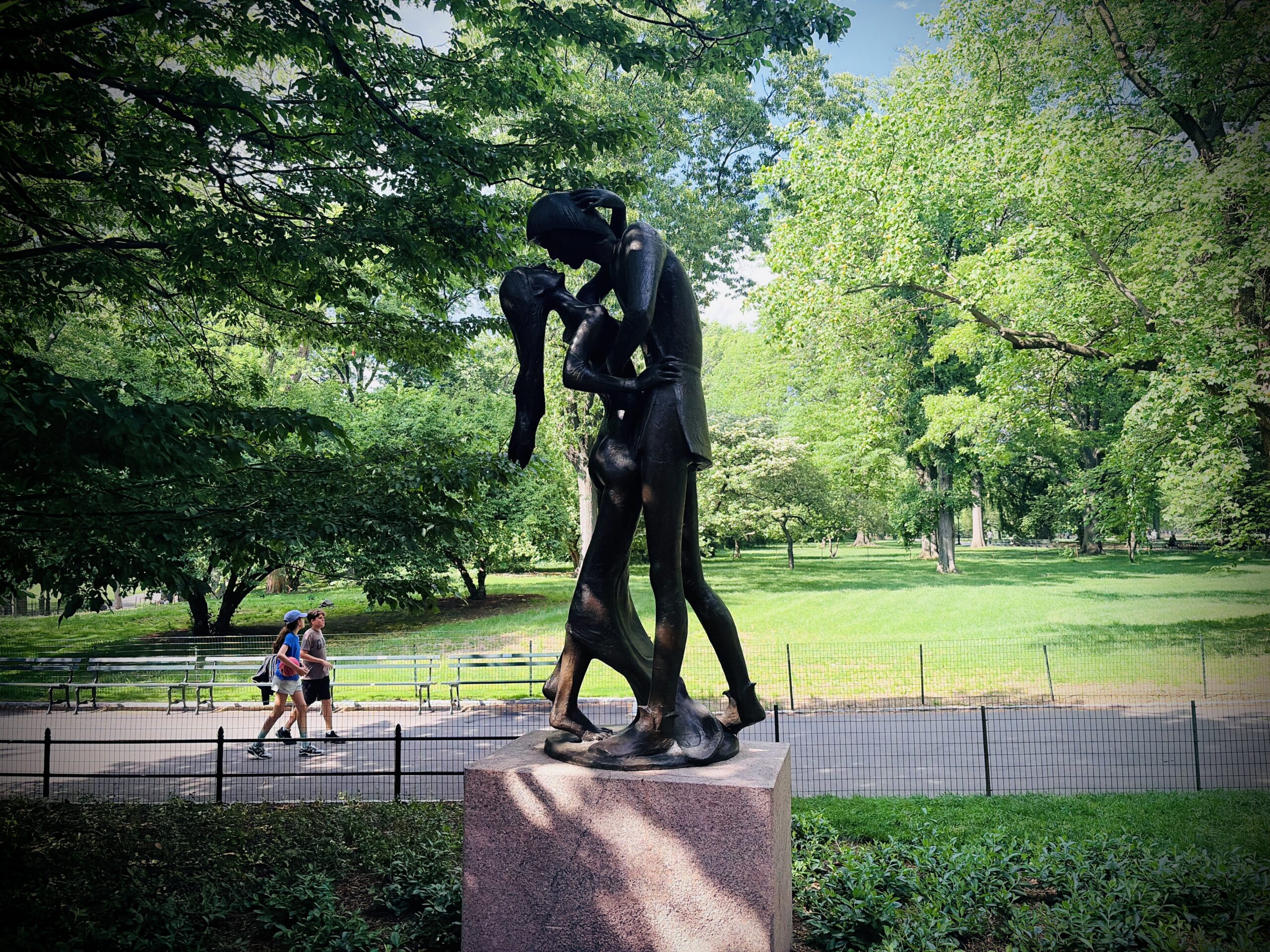
Love is back. The tragic kind, anyway. Last night, Shakespeare in the Park kicked off its new season with “Romeo and Juliet.” Overwhelming obsession, poor communication, family dysfunction, and impulsive decision-making—date night at the Delacorte. But we don’t have to go all the way back to Shakespeare to enjoy the art of ruining your life for love. Change the costumes, move the setting from Verona to the Upper West Side, and not much improves.
As it happens, next week marks the 40th anniversary of John Patrick Shanley’s own version of romantic suffering. “Women of Manhattan,” which premiered on May 26th, 1986, takes us to the emotional construction sites of three outwardly successful Upper West Side women trying to banter their way out of their man-shaped predicaments. One woman’s happy marriage makes her feel dead inside. Another ends up in bed with a pipe-smoking charmer in an encounter compared to “dinosaurs wrestling in a tar pit.” And the third, described by The New York Times as the “designated loser in the romantic game,” realizes that neither a man nor the smelly sneakers he left behind will ever fill the hole in her heart.
It’s less Shakespearean tragedy than romantic pathology, New York-style: people bright enough to diagnose their problems and neurotic enough to stay stuck in them. By the end of this “comedy of Upper West Side manners,” as The New York Times called the play’s 1997 revival, you come away with the sense that love feels awful when you have it and awful when you don’t.
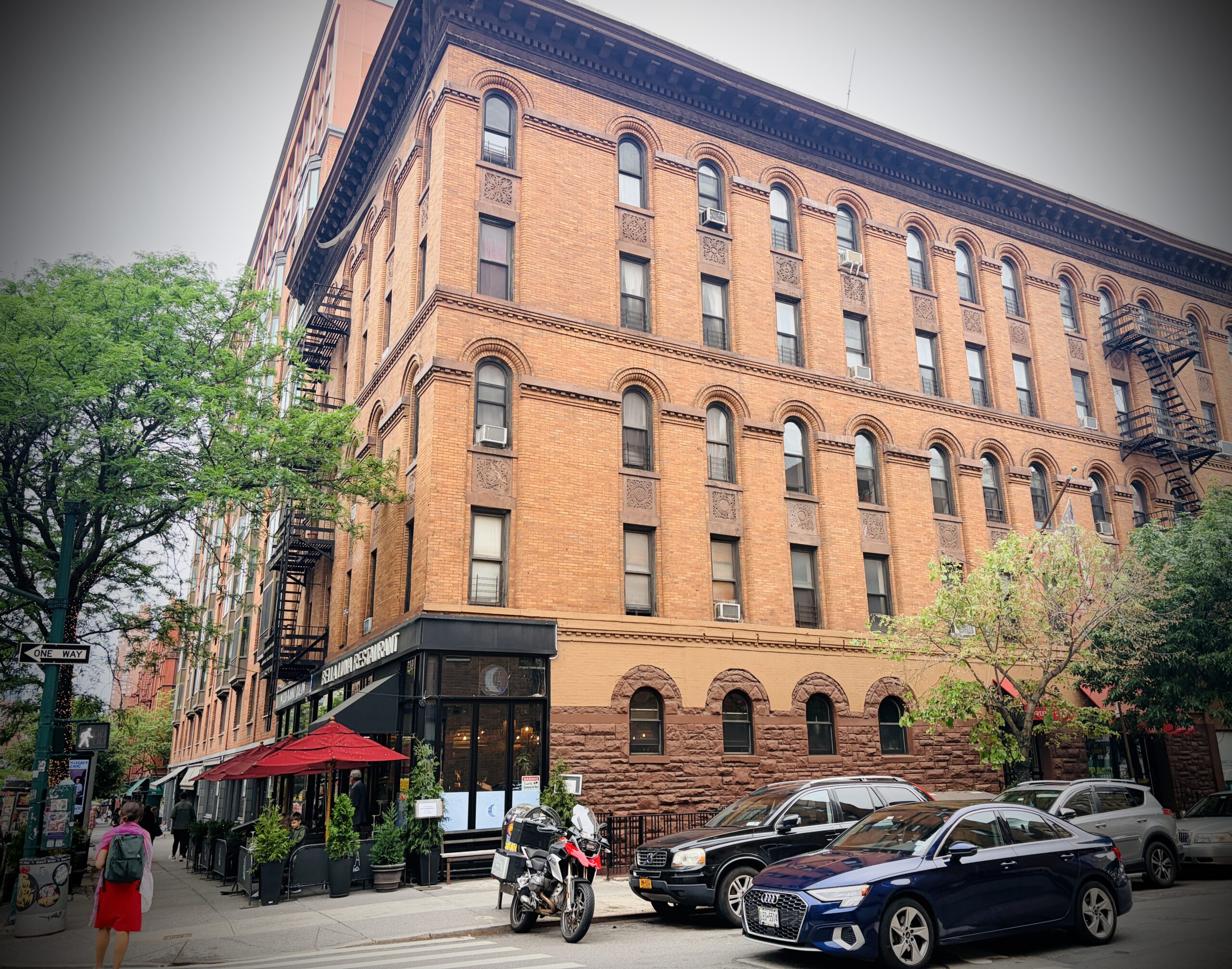
There’s plenty of tragedy in the real world, too, and at least one of them deserves a stage. The scene is set at 100 West 88th Street, where 19-year-old Mabel Cameron lives with her mother. It’s the spring of 1895 when Mabel meets Jules Schuman, a man who loves her and refuses to stop declaring it. The love letters he writes to her will eventually contribute to his downfall, though he does not know it yet.
In January 1896, Jules shows up at Mabel’s door with a story about his employer pressuring him to marry his daughter — a daughter Jules insists he very much despises. His only chance, he says, is for Mabel to take him off the market quickly. The next day, they are married in an apartment in Harlem.
It could have been a happy ending, if Jules hadn’t disappeared after Mabel became pregnant. But the young mother does track down her runaway. How, you ask? Through news of his wedding to another woman … from whom he also runs away.
Jules’s love letters to Mabel eventually become evidence, and Jules ends up on the run from the police, wanted for abandonment and bigamy.
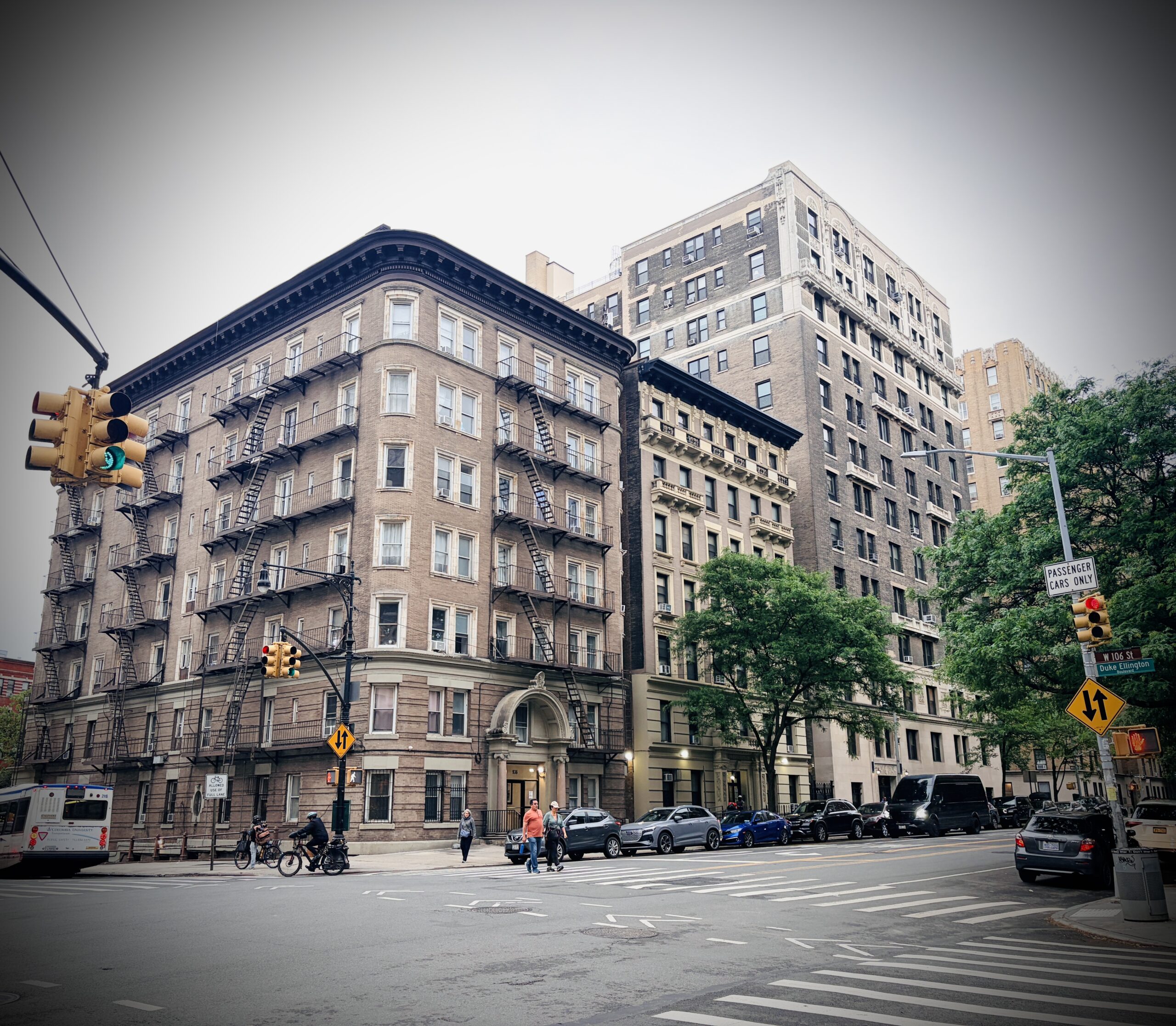
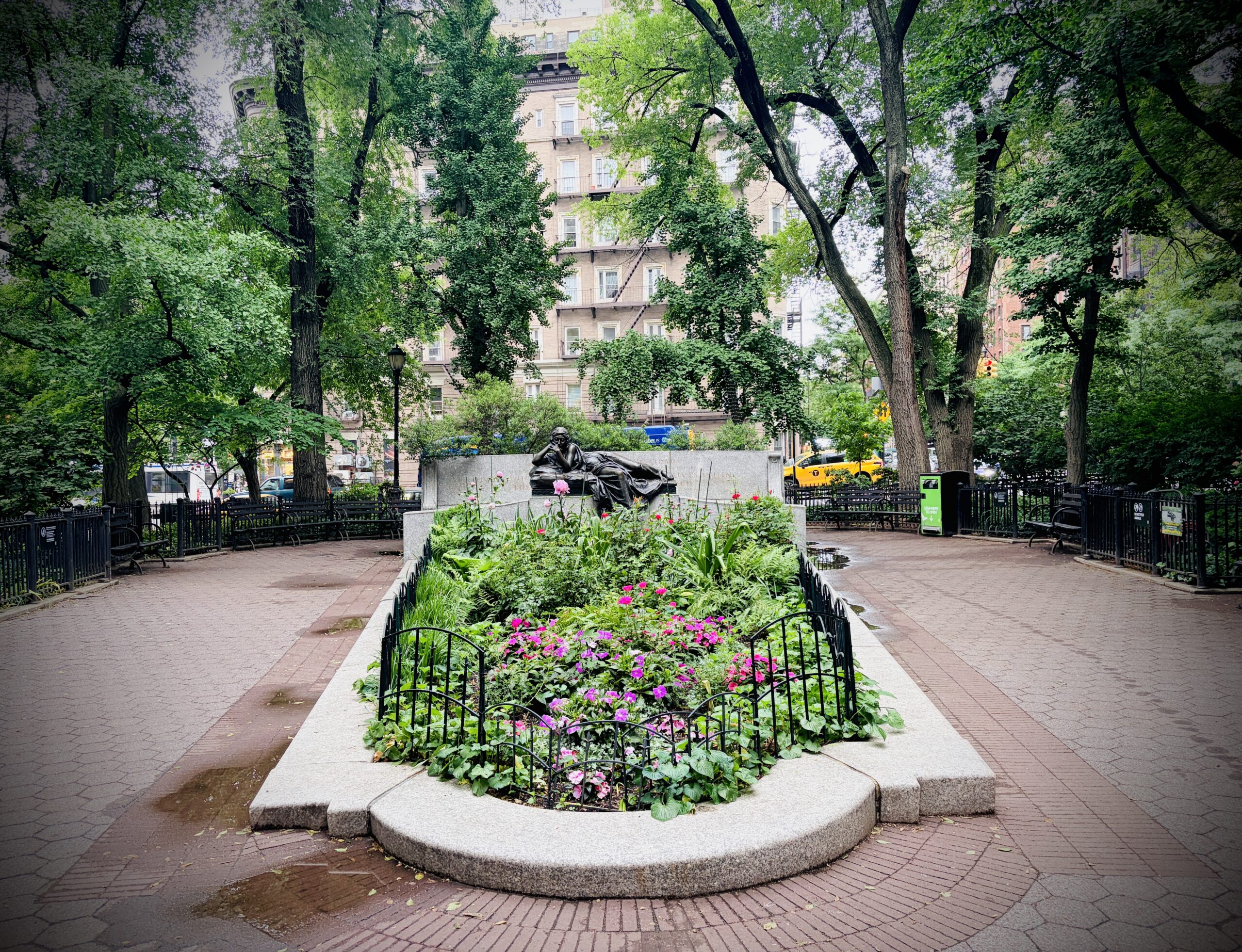
Another true Upper West Side love story is undeniably tragic but somehow still feels warm: that of Isidor and Ida Straus and their famously unbreakable bond. They lived in a villa on the block bounded by Broadway and West End Avenue, and 105th and 106th streets. As June Hall McCash writes in A Titanic Love Story: “It was a virtual farm, with an apple orchard, pear trees, and grape arbors, as well as goats, chickens, cows, a vegetable garden, and a barn they used as a stable near the corner at West End Avenue.”
According to Ida and Isidor’s great-great-granddaughter, the couple had been on holiday on the Riviera when they made a last-minute decision to return to New York aboard the Titanic on her maiden voyage. After the collision with the iceberg, Ida and Isidor went down with the ship, refusing rescue if it meant being separated. They were last seen arm in arm on a pair of deck chairs.
I hope the two people I see from my window find that kind of love. They don’t know each other yet, but I have big plans for them. There’s a man who smokes almost every evening on the roof across from my desk. He stands there staring into the sky until he’s done, and I often take that pause with him, getting into his head. Would he like to meet the woman who also comes out to the roof to watch the sky? Of course, there’s an obstacle: she only comes out during the day, mostly on weekends. In the summer, she even sets up a hammock, and I like to think he’d enjoy that. It’s a promising romance, if only I had any control over it.
Yvonne Vávra is a magazine writer and author of the German book 111 Gründe New York zu lieben (111 Reasons to Love New York). Born a Berliner but an aspiring Upper West Sider since the 1990s (thanks, Nora Ephron), she came to New York in 2010 and seven years later made her Upper West Side dreams come true. She’s been obsessively walking the neighborhood ever since.
Subscribe to West Side Rag’s FREE email newsletter here. And you can Support the Rag here.




Yvonne is always a mood <3
I absolutely love Yvonne Vavra’s slice-of-life columns about the UWS. She’s a wonderful writer, and her pieces are my favorite part of the Rag. This one is the best one yet!
Thank you Yvonne for once again capturing not only our beloved neighborhood, but also invaluable perspectives on life.
especially poignant today.
As always, a beautiful essay and a lovely remembrance of the Strausses.
Yvonne, love your writing, and the way you think. I always feel good after reading your articles. Thank you!
Wonderful vignettes — thank you, Yvonne!