
By Scott Etkin
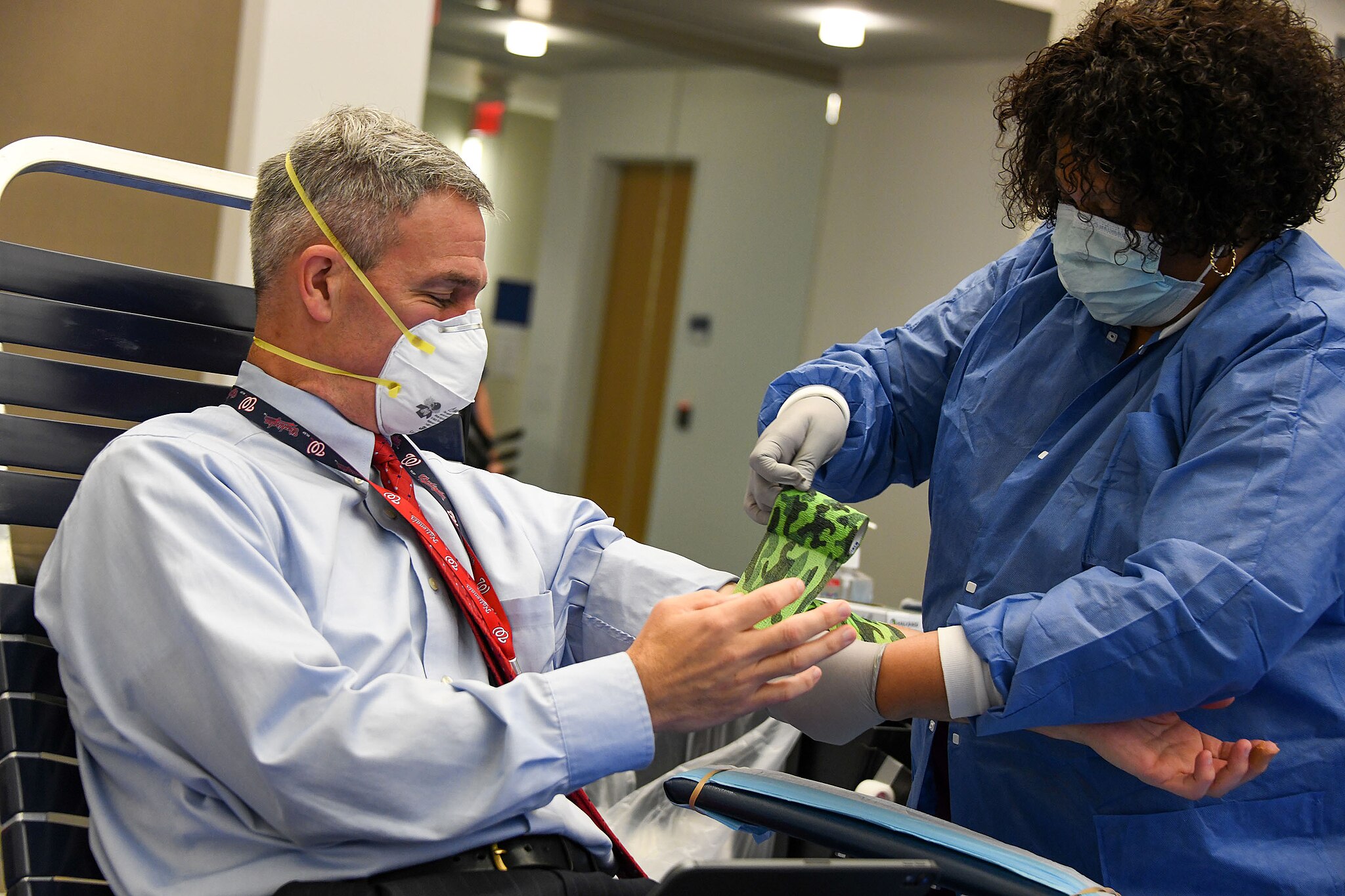
Several blood drives are happening on the Upper West Side over the next few weeks, giving community members the chance to help address a dangerous blood supply shortage at hospitals in the region.
New York Blood Center (NYBC) donor centers and blood drives were forced to close this past Sunday due to the weekend’s snowstorm, further exacerbating an already low blood supply. On January 6, NYBC declared a “Blood Emergency,” announcing that there was less than a two-day supply of blood for more than 200 hospitals across the tri-state area.
On Monday, NYBC extended the Emergency for another two weeks.
“This storm could not have come at a worse time,” Jeannie Mascolino, vice president of blood operations at NYBC and New Jersey Blood Services, said in an announcement.
Blood shortages at this time of year are not uncommon – January is National Blood Donor Month because severe weather, holiday schedules, and illnesses usually lead to a drop in donations. NYBC had made progress toward replenishing blood supplies since it announced the Blood Emergency earlier this month, but the snowstorm was a setback. Nearly 2,000 donations were lost this week due to weather-related disruptions, according to NYBC.
“Blood is needed every single day for trauma care, surgeries, cancer treatment, and chronic conditions,” Mascolino said. “There is no substitute when donations fall short.”
Information about upcoming blood drives in the neighborhood is listed below. To learn more and sign up, click – HERE.
Sunday, February 1: Marlene Meyerson JCC Manhattan in collaboration with Councilmember Gale Brewer
- 334 Amsterdam Avenue (between West 75th and 76th Streets)
- 10 a.m. to 4 p.m.
Monday, February 2: Lincoln Center for the Performing Arts
- 1887 Broadway between West 62nd and 63rd Streets (in the David Rubenstein Atrium)
- Noon to 6 p.m.
Wednesday, February 4: Interchurch Center
- 475 Riverside Drive (between West 119th and 120th Streets)
- 9 a.m. to 3 p.m.
Monday, February 9: Fordham University Law School
- 150 West 62nd Street (between Columbus and Amsterdam Avenues)
- 11 a.m. to 5 p.m.
Sunday, February 15: Chabad of the West Side
170 West 97th Street (between Columbus and Amsterdam Avenues)
10 a.m. to 4 p.m.
Wednesday, February 18: Amity Hall Uptown
- 982 Amsterdam Avenue (between West 108th and 109th Streets)
- Noon to 6 p.m.
Wednesday, February 18: Rodeph Sholom
- 7 West 83rd Street (between Central Park West and Columbus Avenue)
- 1 p.m. to 7 p.m.
Monday, February 23: Columbia University
- 410 West 117th Street (between Morningside Drive and Amsterdam Avenue)
- 10 a.m. to 4 p.m.
Subscribe to West Side Rag’s FREE email newsletter here. And you can Support the Rag here.



Thank you for this valuable update and info!
Thank you for sharing! I just signed up
Thanks for publicizing this need!
Quick reminder to all re: donation requirements:
– Be 17 years of age or older, or 16 with parental consent.
– Weigh at least 110 pounds.
– Be in good health, feeling well, and not taking antibiotics. For example, your blood pressure and temperature must meet medical standards.
– Have last donated blood more than 8 weeks ago.
https://www.redcrossblood.org/donate-blood/how-to-donate/eligibility-requirements.html
I truly wish I could give, but am screened out by weight. When there are shortages, it would be wonderful if donors less than 110 lbs could give — perhaps less than the standard 1L if medical professionals so advise.
I’m O negative but I’m anemic and take iron pills for it. It’s hard to find donors.
I got you covered.
I donate regularly
I am a member of the Gallon Club.
Do any of you AB+ or AB- types, et al., know what happened to the National Rare Blood Club? It was headquartered at 164 Fifth Avenue when I first heard of it c. 1970 but apparently later moved to 99 Madison Ave. Today it shows few signs of existence.
Thanks for this article, WSR. Does anyone know why there aren’t more weekday evening options? Only one location is open past 6PM (closes at 7). I imagine it’s related to the cost of staying open at those times, but it would expand the donor base if people could donate after work on their way home.