
 Sponsored Content
Our feet: the foundation for standing and movement
Do your feet hurt or feel unsteady? Have you developed bunions, hammer toes, or calluses? Sometimes it takes suffering foot and ankle pain or instability to appreciate how much work our feet do to keep us upright and moving every day. The human foot is an engineering marvel: 26 bones, 33 joints, four layers of muscles, and over 100 ligaments that make it possible to stand, balance, propel forward, absorb and transfer forces, and adapt to the ground beneath us. But what happens if we constrain the way our feet are built to function?
What were shoes meant for?
The first shoes and sandals were designed to protect our feet from rough terrain. Over time, they also came to signal status and fashion. Today, a multibillion-dollar industry markets footwear to serve a wide range of purposes: from following fashion trends and enhancing athletic performance to providing comfort through added cushioning and promising to correct biomechanical imbalances. Most conventional shoes are narrow and rigid or have heavy cushioning, restricting natural foot movement. When worn regularly, these shoes can contribute to pain, weakness, injury, inefficient gait, and diminished balance over time.
Shoes that can do more harm than good
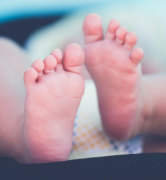
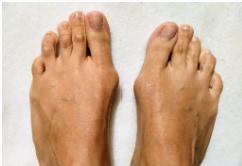
- Narrow toe boxes. Have you ever looked at the feet of a newborn? The toes are naturally the widest part of the foot. Most conventional shoes (even those that are advertised as “Wide”) taper at the toes and squeeze the front of the foot. This limits the ability of the toes to splay and provide a stable base of support when walking, squatting, and lifting. This, in turn, can contribute to bunions, big toe pain and stiffness, and other foot dysfunction.
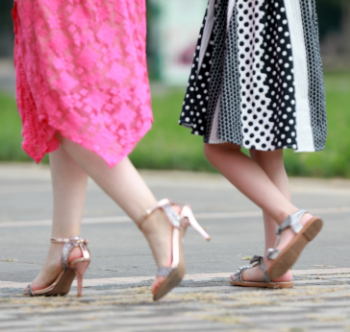
- Elevated heels. Many shoes – even sneakers – have a heel that is higher than the toe. This shifts the body’s weight forward and changes how forces are distributed through the foot and lower leg, as well as further up the chain. The altered biomechanics can lead to reduced ankle range of motion, tight calf muscles, forefoot pain, and increased risk of ankle injuries.
- Heavy cushioning and rigid structure. Sensory feedback from your feet is essential for signaling to your body how to balance as your move. Have you ever noticed how difficult it is to balance on a thick mat or foam pad? Heavily cushioned and structured shoes can dull your ability to feel the ground and adapt to different terrain. This can affect your balance while also increasing the demand from other parts of your body to compensate for decreased foot response.
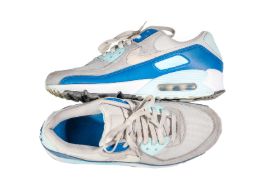
- Poor Fit. Research suggests that many people wear shoes that do not match their feet. One review found that roughly two-thirds of study participants (63 to 72 percent) wore shoes that did not fit well. Poor fit has been associated with foot pain, bunions, hammertoes, corns, and calluses.
 A quick fit check
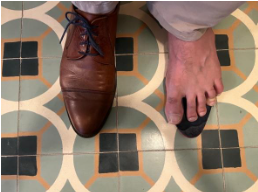
- Take the insoles out of your shoes, place your foot on the insoles, and spread your toes wide.
- If any part of your feet goes significantly beyond the insole, the shoe is not a good fit.
- Check both feet, since they may be different sizes.
- Put on your shoes with the insoles, and press in front of the longest toe (often the big toe). You should have about a thumb’s width of space.
- Walk around in your shoes. Do your toes have room to spread? Do your heels feel secure, without lifting, slipping, rubbing, or toe gripping?
 Qualities of a good shoe: the five Fs
The Foot Collective, an organization focused on restoring natural foot function, describes five qualities of footwear that support natural foot movement:
- Foot-shaped: A wide toe box that matches the natural shape of the foot and allows the toes to spread.
- Fixed: Secured to your foot. Flip-flops, slides, and mules cause your toes to grip to keep the footwear in place, which can inhibit the muscles that stabilize your foot.
- Flat: Minimal or zero drop from heel to toe, allowing your ankles to move through a full range of motion.
- Flexible: A sole that bends and twists naturally, so your foot can adapt to the ground.
- Feel: Less cushioning. Excessively thick soles reduce sensory input, which can affect balance and control.
Transitioning, and the role of orthotics
In the book, “Walk”, chiropractor Courtney Conley and PT Milica McDowell identify 3 categories in the spectrum of footwear:
- Conventional – narrow toe box, high heel to toe drop, heavy cushioning, rigid sole
- Functional – wide toe box, low to no heel drop, mild cushioning
- Minimalist – wide toe box, zero heel drop, minimal cushioning, flexible sole
The best footwear for you at any given time depends on a number of variables: your individual foot shape, current foot strength and mobility, where and for how long you will wear it, and any injuries, structural issues, and any medical conditions you have. Even if your feet are healthy, you may need time to adjust if you have worn rigid, cushioned, and/or heeled shoes for many years.
Anyone can benefit from an overnight switch to shoes and sandals with a wide toe box and secure fastening. Walking comfortably in flat, thin, and flexible shoes will take longer. Transitioning to minimalist shoes too fast can cause pain and injury, setting you back. If you are ready to embrace footwear that supports natural movement, we recommend starting with exercises to build foot and ankle mobility and strength, and following a structured transition plan to functional shoes first, then to minimalist shoes if that is your goal. There are plenty of wonderful resources available to guide you on this path (see list below).
It’s important to recognize that minimalist shoes are not for everyone. Orthotics and more supportive shoes may be necessary temporarily when recovering from an injury, or even long-term if you have specific structural issues or certain medical conditions. If you have diabetes, peripheral neuropathy, osteoporosis, a history of foot injury or pain, or any other significant medical condition, please seek professional advice from a foot/ankle specialist before making substantial changes to your footwear.
About Naledi Physical Therapy
At Naledi Physical Therapy, we focus on foot and ankle function. We treat foot and ankle injuries, movement dysfunction, and balance concerns, and we guide people through finding footwear that supports their individual needs and goals, including a safe transition to functional or minimalist shoes if appropriate. Sue Eby, PT, MS, has specialized in foot and ankle physical therapy for more than 15 years and is certified in Functional Gait Analysis Level I and Level II by Gait Happens. Divya Rajaraman, PT, DPT, PhD, has pursued additional training in foot and ankle function and is working toward certification with The Foot Collective.
To learn more, visit our website or call 917-267-8017.
References and Resources